Executive Summary & Key Takeaways
As veterinary practice moves from empirical treatment to precise baseline diagnostics, hospital procurement leads, veterinary practice owners, and global equipment distributors are facing a rapid technological shift. Veterinary Diagnostic Equipment is no longer just modified human medical hardware—it requires species-tailored digital algorithms, specialized low-frequency transducers, microstream capnography, and seamless DICOM/PIMS integration.
- Biological Precision: Standard human monitors fail in veterinary applications due to high canine/feline heart rates (exceeding 300 bpm), low peripheral perfusion, and delicate airways. Purpose-built veterinary monitors are essential for patient safety.
- Interoperability ROI: Systems supporting native DICOM 3.0 and HL7 data exchange reduce administrative diagnostic loss by up to 28% and streamline client billing workflows.
- TCO & Asset Lifespan: Equipment provided by authorized master distributors like KAKA Medical Technology Co., Ltd. yields higher ROI with multi-year warranties, rapid spare part replacement, and zero licensing overhead.
1. The Paradigm Shift in Modern Veterinary Diagnostics
The global veterinary diagnostic sector is undergoing unprecedented expansion. Driven by pet humanization, specialized veterinary cardiology, advanced oncology, and complex soft-tissue surgeries, clinical expectations in animal hospitals rival those in human tertiary care units. For procurement directors, purchasing agents, and medical device distributors, sourcing the right Veterinary Diagnostic Equipment requires a deep understanding of clinical performance metrics, operational efficiency, and long-term cost structures.
Historically, veterinary practices modified surplus human diagnostic systems. However, this approach presented significant clinical risks: inaccurate non-invasive blood pressure (NIBP) readings in small felines, missed cardiac arrhythmias in high-heart-rate subjects, and compromised imaging resolution in deep-tissue equine procedures. Today, purpose-built diagnostic platforms engineered specifically for veterinary physiology have become the operational standard for accredited practices.
2. Species-Specific Physiological & Algorithmic Nuances
Designing and selecting veterinary diagnostic equipment requires addressing major physiological differences across species. Equipment must function reliably across diverse biological parameters—from a 500g avian patient to an 80kg Mastiff or a 500kg equine athlete.
Key Algorithmic Considerations:
- Extended Dynamic Range ECG Detection: Canine resting heart rates can drop below 40 bpm, while feline and exotic patient heart rates under anesthesia or stress frequently exceed 300 bpm. Human ECG units clip these high-frequency R-waves, leading to misdiagnosed cardiac arrest or severe arrhythmia. Purpose-built veterinary ECGs maintain digital sampling rates up to 1000 Hz to capture fast electrical depolarizations accurately.
- Microstream Capnography (EtCO₂): In small companion animals and exotics, tidal volumes are extremely low. Mainstream capnography adapters add physical dead space, causing CO₂ rebreathing and hypoventilation. Microstream sidestream technology with low sampling rates (50 mL/min) allows accurate end-tidal CO₂ monitoring without compromising tiny airways.
- Specialized NIBP Logic (SunTech & Motion-Tolerant Algorithms): Animal limbs feature thick fur, conical geometry, and varying vascular compliance. Specialized veterinary blood pressure software utilizes stepped deflation algorithms and motion-artifact suppression to ensure accurate, non-invasive readings in alert or shivering patients.
Attempting to deploy human-grade pulse oximetry or ECG equipment in a veterinary surgical suite often leads to pulse loss during critical procedures. Always verify that SpO₂ algorithms are calibrated for animal tissue density and lingual/paw-pad sensor attachments.
3. Core High-Yield Diagnostic Modalities for Animal Hospitals
A modern veterinary hospital's diagnostic capability relies on four core equipment categories. Below, we break down these technologies, highlighting key technical specifications and clinical applications.
3.1 Advanced Multi-Parameter Patient Monitors
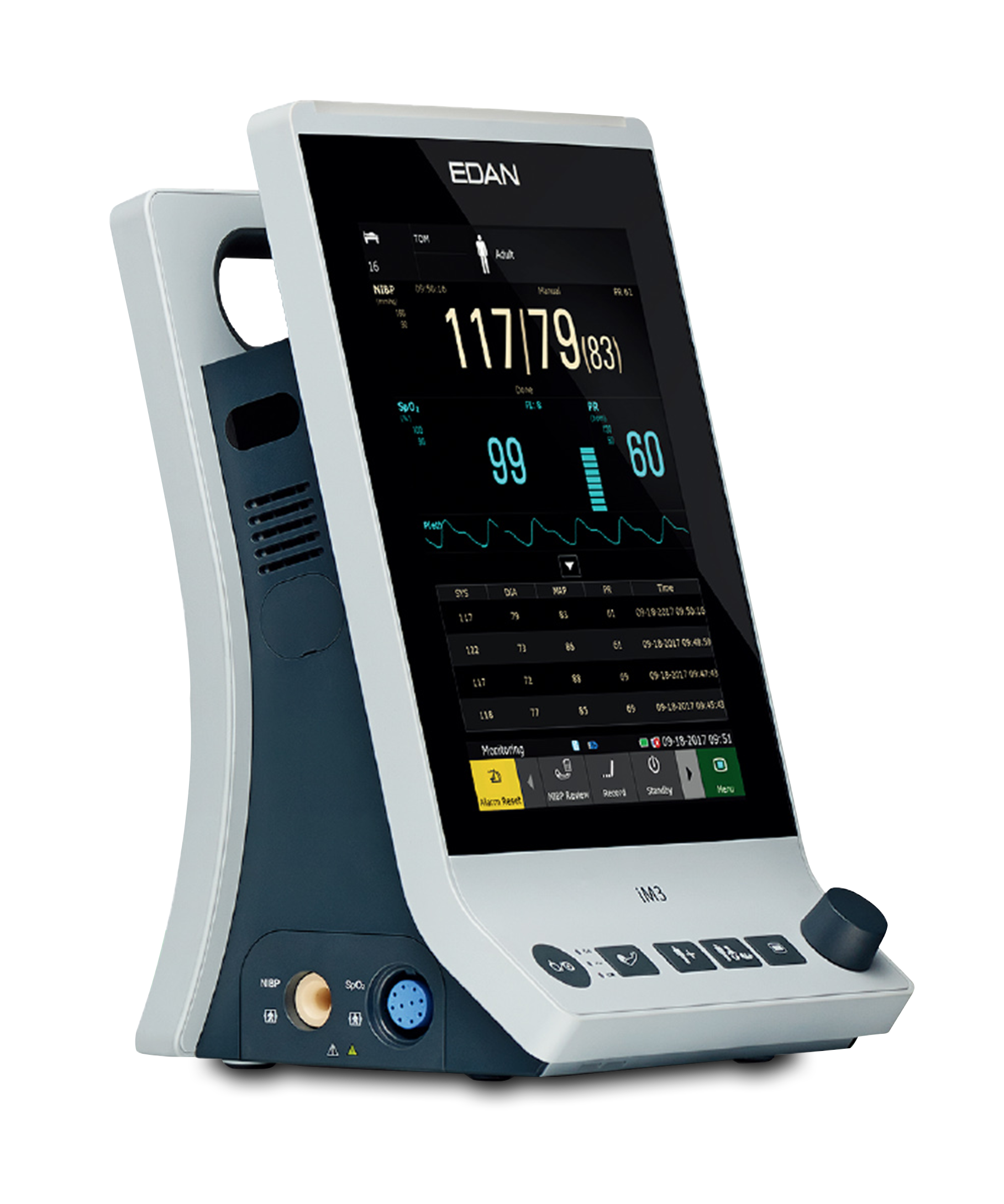
Multi-parameter monitoring systems serve as the foundation of anesthesia, emergency care, and intensive care units. Modern systems display real-time ECG tracings, pulse oximetry (SpO₂), non-invasive blood pressure (NIBP), invasive blood pressure (IBP), dual-channel temperature, and capnography (EtCO₂).
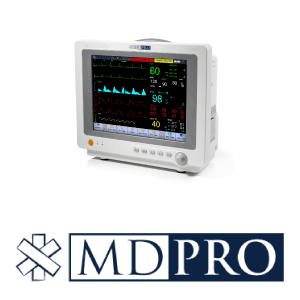
When selecting multi-parameter monitors, procurement officers should prioritize modular designs. Modular monitors allow veterinary clinics to upgrade capnography or invasive pressure channels without replacing the core unit, significantly reducing future capital expenditure.
3.2 High-Resolution Veterinary Ultrasound Machines
Diagnostic ultrasound is essential for non-invasive abdominal scans, cardiac evaluations (echocardiography), and point-of-care emergency assessments (FAST protocols). Portable ultrasound units must balance mobility with clear, high-contrast image quality.
- Transducer Versatility: High-frequency linear probes (up to 18 MHz) provide clear resolution for superficial feline abdominal structures, while phased-array cardiac probes deliver deep penetration and high frame rates for canine echocardiography.
- Color & Power Doppler Sensitivity: Superior Doppler sensitivity allows precise visualization of low-velocity micro-vascular renal, hepatic, and tumor blood flow.
3.3 Digital Electrocardiography (ECG/EKG) & Ambulatory Holter Systems
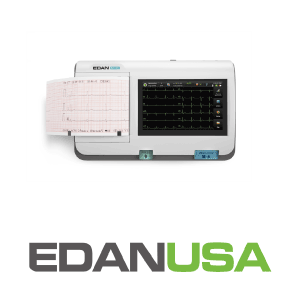
Cardiology diagnostics rely on fast, precise ECG acquisition. Multi-channel veterinary ECG machines provide clean 3-, 6-, or 12-lead tracings, paired with automated diagnostic interpretation engines built on extensive veterinary cardiology databases.
3.4 Specialized Point-of-Care Diagnostic Tools
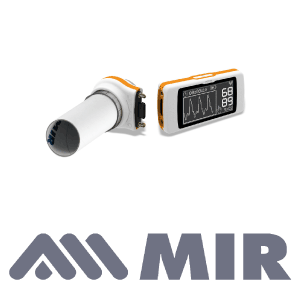
Beyond monitors and ultrasound systems, specialized point-of-care tools expand a clinic's diagnostic capability. Portable bladder scanners rapidly determine urine volume to avoid unnecessary catheterization. Diagnostic Doppler flow detectors allow precise blood pressure measurement in exotic species and small felines. Portable spirometers enable pre-anesthetic pulmonary assessment in brachycephalic breeds.


4. Enterprise Interoperability: DICOM 3.0, PACS, and PIMS Integration
In modern veterinary networks and multi-specialty regional hospitals, diagnostic equipment cannot operate in isolation. Manual entry of diagnostic results leads to transcription errors, lost billing opportunities, and delayed client communication. Sourcing DICOM 3.0-compliant equipment ensures smooth, automated data flow across the clinical ecosystem.
Purchasing diagnostic devices without native DICOM or HL7 support can create data silos. Ensure your equipment integrates directly with leading Practice Information Management Systems (PIMS) such as Cornerstone, Vetspire, eVetPractice, or eVetLogic to streamline client record keeping.
Key Workflow Benefits of Direct Integration:
- Automated Worklist Synchronization: Patient demographics, species classifications, and attending veterinarian data populate directly on the diagnostic interface, eliminating duplicate entry.
- Centralized Archiving & Tele-Consultation: High-resolution ultrasound images, ECG trace PDFs, and surgical trend lines upload directly to centralized PACS servers, enabling rapid remote review by board-certified radiologists or cardiologists.
- Zero-Loss Billing Capture: Automatically linking diagnostic procedures to invoice records ensures every performed test is recorded, preventing missed charges and boosting practice revenue.
5. Technical Evaluation Matrix for B2B Buyers
To assist equipment distributors, procurement managers, and hospital administrators in evaluating diagnostic investments, our engineering team compiled this comparative performance matrix:
| Diagnostic Modality | Core Technical Specifications | Target Clinical Application | Interoperability Level | Est. Payback Period |
|---|---|---|---|---|
| Multi-Parameter Patient Monitor | SpO₂, NIBP, 5-Lead ECG, Dual Temp, Microstream EtCO₂, IBP | Surgical Anesthesia, Post-Op ICU, Critical Care Monitoring | HL7 / Wi-Fi / Central Station software | 4 – 7 Months |
| Diagnostic Ultrasound System | Color/Power Doppler, 2–18 MHz Probes, Auto-Measurement Presets | Abdominal Imaging, Echocardiography, Emergency FAST Scans | DICOM 3.0, Structured Reporting, USB/PACS | 6 – 10 Months |
| Multi-Channel Digital ECG | 1000 Hz Sampling, Vet Arrhythmia Logic, Thermal Printer, PC Software | Cardiology Consults, Pre-Anesthetic Screening, Routine Wellness | DICOM, PDF export, USB, Local Network | 3 – 5 Months |
| Digital Holter Recorder | 24-48hr Continuous 3-Channel Recording, AI-Assisted Software | Syncope Diagnosis, Intermittent Arrhythmias, Doberman DCM screening | PC-based Analysis, Cloud Telemetry | 5 – 8 Months |
| Portable Bladder Scanner | 3D Volume Calculation, Real-Time Ultrasonic Aiming, Cordless Probe | Non-Invasive Urinary Retention Check, Post-Surgical Care | Direct Screen Display, Wireless Sync | 4 – 6 Months |
6. Total Cost of Ownership (TCO) & Revenue Generation Model
When assessing new Veterinary Diagnostic Equipment, initial acquisition cost represents only a fraction of total lifetime investment. Procurement teams must evaluate Total Cost of Ownership (TCO) across the equipment life cycle (typically 5 to 7 years).
Components of Total Cost of Ownership:
- CapEx (Capital Expenditure): Upfront purchase price of the main unit, transducers, baseline sensor arrays, and mounting solutions.
- OpEx & Consumables: Ongoing costs including ECG leads, NIBP cuffs across various sizes, ultrasound gel, thermal paper, and calibration gas.
- Maintenance & Warranty Extensions: Software updates, annual calibration, sensor replacement, and technical service support.
Financial Revenue Impact (Sample ROI Model):
A mid-sized 4-doctor veterinary hospital adding a dedicated multi-channel ECG and diagnostic ultrasound system can calculate return on investment as follows:
Pre-Anesthetic ECG Screening: 12 procedures/week @ $65 fee = $780/week ($40,560 annually)
Targeted Abdominal Ultrasound: 5 procedures/week @ $280 fee = $1,400/week ($72,800 annually)
Combined Gross Annual Revenue: $113,360
With an initial combined equipment investment of $18,000 to $25,000 sourced from KAKA Medical Technology Co., Ltd., full capital recovery occurs within 3 to 5 months of clinical deployment.
7. The KAKA Medical Technology Enterprise Advantage
For over 17 years, KAKA Medical Technology Co., Ltd. has served as a trusted partner for medical device distributors, hospital networks, and clinical practices worldwide. Sourcing veterinary diagnostic equipment through our global distribution network offers significant operational advantages:

Why Global Distributors & Animal Hospitals Choose KAKA Medical Technology:
- Multi-Brand Distribution Power: We maintain master distribution partnerships with over 15 leading manufacturers (including Mindray, Edan, MIR, Riester, Caresono, and MDPro), offering a single, streamlined procurement channel.
- Rigorous Regulatory Compliance & Quality Assurance: Every piece of diagnostic equipment undergoes thorough pre-shipment quality testing and meets stringent FDA, CE, and ISO 13485 standards.
- US-Based Technical Support & Rapid Spare Parts Inventory: Our dedicated biomedical engineering support team offers technical troubleshooting, remote diagnostics, and immediate dispatch of replacement sensors, cables, and boards.
- Distributor & Dealer White-Label Support: We offer protected reseller margins, flexible dropshipping options, customized product branding, and comprehensive sales enablement materials for global distributor networks.