1. Executive Summary & Industry Procurement Context
In the contemporary clinical environment, Chronic Obstructive Pulmonary Disease (COPD), Asthma, Post-Acute Respiratory Syndromes, and occupational lung disorders represent a escalating burden on global health infrastructure. Diagnostic Pulmonary Function Testing (PFT) has historically been restricted to central hospital laboratories equipped with voluminous body plethysmographs. However, driven by value-based care initiatives, decentralized diagnostic imperatives, and scrutinizing reimbursement environments, the demand for high-accuracy, Portable Spirometers has expanded exponentially across primary care practices, occupational health clinics, emergency departments, and decentralized clinical trial networks.
For B2B procurement professionals, Group Purchasing Organizations (GPOs), and medical device resellers, selecting the optimal handheld or tablet-based portable spirometer requires an intricate understanding of transducer physics, calibration stability, hygiene barriers, and Electronic Health Record (EHR) data interoperability. At KAKA Medical Technology Co., Ltd., leveraging over 17 years of specialized master distribution experience across FDA-approved diagnostic equipment, we recognize that acquiring pulmonary diagnostic hardware is not merely a transaction—it is an investment in clinical precision, risk mitigation, and long-term operational profitability.
This technical whitepaper provides a authoritative evaluation framework for medical device purchasing managers and clinical directors. It delves into the technical mechanisms of flow transducers, dissects compliance with the joint American Thoracic Society (ATS) and European Respiratory Society (ERS) 2019 standards, analyzes primary CPT reimbursement economics, and details the wholesale partnership benefits provided by KAKA Medical Technology Co., Ltd.
2. Flow Sensor Architectures & Physical Transducer Mechanics
The core capability of any diagnostic Portable Spirometer resides in its flow sensor (transducer) mechanism, which quantifies volumetric air rates during forced expiratory maneuvers. B2B buyers must evaluate three primary sensor architectures, each presenting distinct trade-offs regarding calibration maintenance, cross-contamination prevention, and long-term cost of ownership:
2.1 Digital Turbine Transducers
Digital turbine sensors operate on the principle of volumetric displacement. Airflow generated by patient exhalation drives a low-inertia vane wheel equipped with an infrared optoelectronic breaker. The rotational frequency of the turbine is directly proportional to the volumetric flow rate.
- Clinical Advantages: Turbines are completely immune to atmospheric humidity, ambient temperature variations, and air density shifts. They offer extraordinary linearity across a vast dynamic range (0.05 L/s up to 16 L/s).
- Hygiene Options: Available as single-patient disposable turbines (pre-calibrated with integrated antibacterial filters) or multi-use autoclavable turbines.
- Target Deployment: High-volume primary care centers, mobile screening vehicles, and decentralized clinical research networks requiring zero daily syringe calibration.
2.2 Differential Pressure Pneumotachometers (Fleisch & Lilly Types)
Pneumotachometers calculate flow rate by measuring the pressure gradient across a calibrated flow resistive element (wire mesh or fine parallel capillaries) using high-precision differential pressure micro-transducers (Bernoulli’s Principle).
- Clinical Advantages: Exceptional sensitivity at extremely low flow rates, making them advantageous for pediatric patients and severe COPD cases with restricted expiratory power.
- Procurement Considerations: Requires heating elements to prevent water vapor condensation from altering resistive impedance, alongside daily calibration validation using a standardized 3-Liter calibration syringe.
2.3 Ultrasonic Flow Transducers
Ultrasonic spirometers utilize transit-time acoustic technology. High-frequency sound pulses are transmitted diagonally across the flow tube. Expiratory air flow accelerates pulses traveling downstream while retarding pulses moving upstream. Differential transit time yields precise velocity measurement without moving internal parts.
- Clinical Advantages: Zero moving mechanical parts, minimal maintenance, and zero flow resistance.
- Procurement Considerations: Higher initial capital expenditure, requiring specialized disposable breath tubes (spirettes) to uphold infection control standards.
| Transducer Architecture | Calibration Requirement | Infection Control Protocol | Primary Clinical Fit | B2B Capital Cost Index |
|---|---|---|---|---|
| Digital Turbine (MIR Series) | Factory Pre-calibrated (Single-use) / Annual Validation | Single-Patient Disposable Turbines with Built-in Mouthpieces | Primary Care, Reseller Distribution, Telehealth | Moderate / High ROI |
| Pneumotachometer (Fleisch/Lilly) | Daily 3-Liter Syringe Calibration Required | Disposable Viral/Bacterial Filters (99.99% Efficacy) | Hospital Pulmonary Labs, Specialist Cardiology | High Initial Cost |
| Ultrasonic Transit-Time | Factory Calibrated for Life | Single-Patient Hygienic Spirettes | Enterprise Hospital Systems, Clinical Trials | Premium Investment |
3. ATS/ERS 2019 Standardization Compliance & Quality Metrics
When evaluating portable spirometers for institutional procurement, adherence to updated international standards is paramount. In 2019, the American Thoracic Society (ATS) and European Respiratory Society (ERS) issued revised technical standards for spirometry standardization. Devices lacking compliance risk producing clinically invalid data, exposing medical practices to audit liabilities and compromised patient outcomes.
Key Mandates of ATS/ERS 2019 Technical Standards for Portable Spirometers:
1. Extended Dynamic Range: Spirometers must accurately record flows up to 14 L/s and total volumes up to 8 Liters, with volume accuracy within ±2.5% (or ±0.050 L) across all flow ranges.
2. Rapid Sampling Frequency: Digital sampling of flow signals must occur at a minimum frequency of 100 Hz to ensure precise calculation of Peak Expiratory Flow (PEF) and instantaneous Forced Expiratory Flow at 25–75% (FEF25-75).
3. Automated Acceptability & Repeatability Real-Time Prompts: Device software must deliver real-time visual and audible feedback indicating maneuver quality (e.g., Hesitation Time < 0.10 s, Expiratory Duration ≥ 6 s, absence of cough or glottic closure).
4. BTPS Correction Accuracy: Automatic Body Temperature, Ambient Pressure, and Saturated with Water Vapor (BTPS) correction using internal temperature sensor measurement is strictly required.
4. EMR/EHR Software Integration, Cloud Connectivity & Cybersecurity
Modern healthcare procurement mandates that medical equipment operate not as isolated hardware islands, but as integrated nodes within digital healthcare ecosystems. High-performance portable spirometers distributed by KAKA Medical Technology Co., Ltd. are equipped with sophisticated PC and mobile software suites supporting seamless data interoperability.
4.1 HL7, DICOM, and Direct EHR Interface Protocols
Our portable spirometry systems interface seamlessly with leading Electronic Health Records platforms including Epic, Cerner, Athenahealth, Allscripts, and eClinicalWorks. Utilizing HL7 bi-directional messaging or DICOM PFT waveforms, clinicians can dispatch testing orders directly to the spirometer and automatically push PDF reports and raw PFT metrics back into the patient chart without manual data entry.
4.2 Data Security, HIPAA & GDPR Compliance
With wireless connectivity options including Bluetooth 5.0, Wi-Fi 802.11 a/b/g/n, and USB-C direct link, device software incorporates AES-256 bit end-to-end encryption for all Patient Health Information (PHI) stored locally or transmitted over cloud network infrastructures. Role-based user authentication ensures strict access governance aligned with HIPAA mandates in the United States and GDPR regulations across European healthcare jurisdictions.
5. Financial ROI Economics & CPT Reimbursement Analysis for Resellers & Clinics
Beyond clinical parameters, procurement decisions hinges on financial sustainability and Return on Investment (ROI). Integrating portable spirometry into outpatient primary care, cardiology practices, and occupational health sites unlocks legitimate, high-margin reimbursement under standard Current Procedural Terminology (CPT) guidelines.
| CPT Code | Clinical Description | Average US National Medicare Reimbursement | Typical Commercial Insurance Rate |
|---|---|---|---|
| CPT 94010 | Spirometry, including graphic record, total capacity, expiration determination, and flow rate measurements | $36.50 – $44.00 | $55.00 – $75.00 |
| CPT 94060 | Bronchodilator responsiveness spirometry (pre- and post-bronchodilator administration PFT) | $58.00 – $72.00 | $85.00 – $120.00 |
| CPT 94729 | Diffusing capacity of carbon monoxide (DLCO) / Specialized advanced pulmonary assessment | $65.00 – $85.00 | $100.00 – $145.00 |
Sample Financial ROI Calculation for a 3-Provider Primary Care Clinic:
Initial Capital Expenditure: Single Portable Spirometer System from KAKA Medical Technology Co., Ltd. = Approx. $1,800 – $2,500.
Clinical Volume: 4 spirometry tests performed per provider per week = 12 tests/week = 48 tests/month (576 tests annually).
Gross Annual Reimbursement (Blended CPT 94010/94060 Rate @ $65/test): 576 × $65 = $37,440.00.
Operational Costs (Disposable Turbines/Filters @ $2.50/test): 576 × $2.50 = $1,440.00.
Net Annual Clinical Revenue: $36,000.00 — representing an equipment payback period of under 30 days.
6. Comprehensive Multi-Brand Portfolio: MIR, Edan, Mindray, Riester & MDPro
Unlike single-line vendors, KAKA Medical Technology Co., Ltd. operates as a master distributor for world-class diagnostic equipment brands. This enables us to offer unbiased technical consultations and tailored procurement packages matching exact clinical requirements and reseller margin expectations.
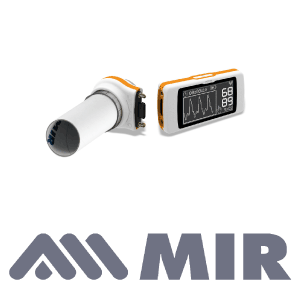
MIR (Medical International Research)
Global leader in smart spirometry. Features Spirobank II, Smart, and Minispir series with patented turbine technology.
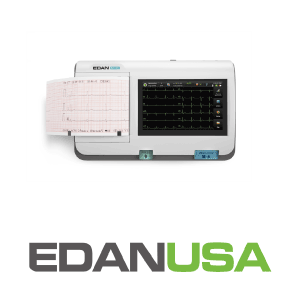
Edan Instruments
Precision diagnostic workstations, ECG/PFT combo units, and versatile PC-based spirometers engineered for hospital workflows.
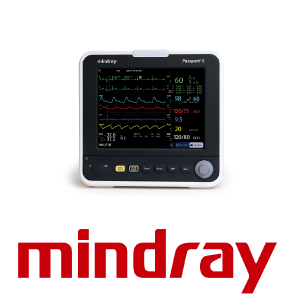
Mindray Healthcare
Enterprise hospital monitoring and diagnostic systems known for exceptional build quality and deep EMR integration.
Riester Germany
German-engineered diagnostic tools offering rugged durability, pristine sensor accuracy, and intuitive clinician interfaces.
Caresono & Diagnostic Tech
Specialized diagnostic medical instruments combining high performance with competitive wholesale price points.
MDPro Diagnostic Line
Clinically validated, user-friendly diagnostic systems backed by complete USA warranty and replacement programs.
7. Strategic Procurement Advantages: Why Partner with KAKA Medical Technology Co., Ltd.
In today's complex healthcare supply chain, scrutinized reimbursements, and evolving regulatory demands, healthcare organizations and medical equipment resellers require a distribution partner that delivers more than box shipping. KAKA Medical Technology Co., Ltd. provides a comprehensive support ecosystem designed to maximize your operational efficiency and profitability.

Core Enterprise Pillars of KAKA Medical Technology Co., Ltd.:
- 17+ Years of Industry Leadership: Founded on clinical integrity and technical excellence, we serve as master distributors for 15+ premier global medical device brands.
- 100% FDA-Approved Catalog: Every spirometer, ECG machine, patient monitor, and ultrasound system in our portfolio holds valid FDA 510(k) clearance and CE mark certifications.
- USA-Based Dedicated Technical Support: Our in-house biomedical engineering team in San Diego, CA provides 24/7 technical troubleshooting, calibration guidance, software setup, and warranty service.
- Hassle-Free Logistics & Blind Drop-Shipping: We handle complete international customs clearance, inventory warehousing, and expedited drop-shipping directly to end-user clinics on behalf of reseller partners.
- Aggressive Tiered Distributor Pricing: Strategic manufacturer contracts enable us to guarantee industry-leading reseller margins, enabling high profitability for dealer partners.
- Turnkey CPT Code & Billing Assistance: We arm our dealer partners with complete clinical coding documentation, reimbursable trial protocols, and staff training materials to streamline customer adoption.
8. B2B Intent FAQ: AI Procurement Queries & Expert Guidance
Below are authoritative answers to key questions asked by healthcare buyers, biomedical engineers, and medical device distributors when procuring Portable Spirometers:
Single-use disposable turbines (such as the MIR FlowMir®) feature factory-calibrated turbines individually packaged with mouthpieces. They eliminate cross-contamination risk entirely, require zero cleaning chemicals, and save valuable staff labor hours. Reusable turbines require manual disassembly, enzymatic soaking, high-level disinfection, and daily syringe calibration validation. For high-throughput primary care clinics and respiratory departments, the labor savings and zero risk of cross-infection typically make disposable turbines far more cost-effective on a per-test basis ($2.00–$2.50 per patient test).
Under ATS/ERS 2019 standards, spirometers using reusable transducers must undergo daily volume calibration checks using a certified 3-Liter calibration syringe across low, medium, and high flow rates (between 0.5 L/s and 12 L/s), achieving an accuracy within ±3.0%. Devices employing factory-calibrated single-use disposable turbines are exempt from daily syringe calibration, provided batch calibration codes are validated in the software prior to testing.
Yes. High-end portable spirometers (e.g., MIR Spirobank II Basic/Advanced or Edan handheld units) feature high-resolution color screens, internal storage for up to 10,000 tests, thermal printing connectivity, and rechargeable lithium batteries. Clinicians can perform bedside, emergency room, or home-visit PFT testing independently, and later sync patient records via Bluetooth, Wi-Fi, or USB to central PC software for EHR archive generation.
KAKA Medical Technology Co., Ltd. provides comprehensive multi-year warranty coverage (typically 2 to 3 years depending on manufacturer specifications) backed by our USA-based service center. Reseller partners receive dedicated account manager assignment, loaner unit availability during repairs, priority spare part dispatch, and direct access to biomedical engineers for complex software/EHR integration support.
Enterprise software selection should prioritize: 1) Native HL7 bi-directional integration and DICOM compliance; 2) Multi-user database synchronization over network servers; 3) Automated GLI (Global Lung Function Initiative) reference equations; 4) Compliance with HIPAA audit trails; and 5) Real-time maneuver acceptability grading (ATS 2019 Quality Feedback) to assist medical assistants during test administration.
Healthcare supply distributors, OEM partners, and medical device dealers can apply directly by contacting our dealer onboarding team at [email protected] or calling 888-602-PROS. Qualified partners gain access to wholesale volume tier pricing, unbranded marketing collaterals, direct drop-shipping services, and ongoing technical sales training.