1. Executive Summary: The Modern Imperative for Non-Invasive Urinary Measurement
In today's value-based healthcare delivery landscape, clinical decision-makers and medical device procurement officers face dual pressures: optimizing clinical outcomes while drastically containing operational expenditures. Non-invasive post-void residual (PVR) urine volume measurement via Portable Bladder Scanners has transitioned from an elective convenience to an indispensable standard of care across acute care facilities, post-acute nursing centers, urology clinics, and emergency departments worldwide.
Historically, post-void residual assessment relied on diagnostic urethral catheterization—a procedure fraught with risks of iatrogenic trauma, urethral strictures, and above all, Catheter-Associated Urinary Tract Infections (CAUTI). Modern point-of-care 3D ultrasound bladder scanners provide immediate, highly accurate quantitative volume measurements in seconds without breaching the sterile urinary tract. This whitepaper, authored by technical analysts at KAKA Medical Technology Co., Ltd., offers an authoritative evaluation of portable bladder scanning technologies, analyzing acoustic beamforming algorithms, financial returns under CPT code 51798, total cost of ownership (TCO) variables, and critical procurement criteria for hospital buying syndicates and B2B equipment distributors.
Executive Procurement Takeaways
- CAUTI Cost Reduction: Eliminating unnecessary catheterizations cuts hospital-acquired infection risks by up to 50%, mitigating un-reimbursed penalty costs averaging $13,793 per CAUTI event under CMS Hospital-Acquired Condition (HAC) reduction programs.
- CPT 51798 Revenue Generation: Outpatient facilities and urology practices leveraging dedicated non-invasive bladder ultrasound coding achieve capital expenditure payback within 60 to 90 days.
- Technology Shifts: Transitioning from legacy mechanical real-time sector probes to solid-state electronic phased-array probes eliminates mechanical motor failures, reducing long-term repair costs by over 40%.
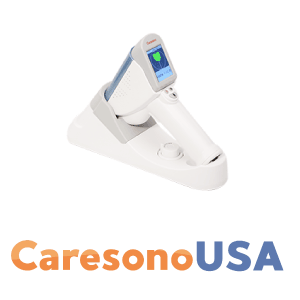
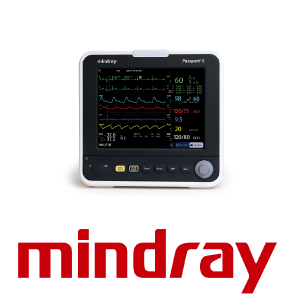
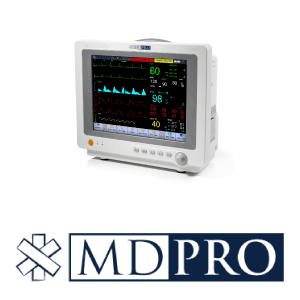
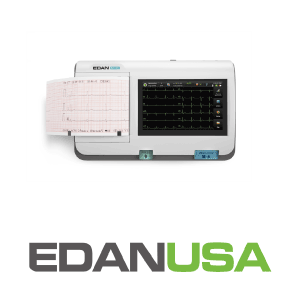
- KAKA Medical Technology Advantage: Direct factory-level distribution partnerships with tier-1 brands (including Caresono, MDPro, Mindray, and Edan) guarantee full FDA 510(k) compliance, comprehensive warranty backing, and rapid drop-shipping support.
2. Clinical Rationale & CAUTI Prevention Strategies
Catheter-Associated Urinary Tract Infections represent one of the most prevalent hospital-acquired conditions globally, accounting for over 30% of infections reported by acute care facilities. The primary vector for CAUTI is the placement of indwelling urinary catheters (Foley catheters) when non-invasive monitoring could have identified simple transient urinary retention or neurogenic bladder dysfunction.
Clinical Indications for Non-Invasive Scanning
The Centers for Disease Control and Prevention (CDC) guidelines for the prevention of CAUTI explicitly recommend ultrasound bladder assessment prior to deciding on urinary catheterization. Primary clinical indications include:
- Evaluation of Post-Void Residual (PVR): Assessing urinary retention in patients presenting with lower urinary tract symptoms (LUTS), benign prostatic hyperplasia (BPH), or pelvic organ prolapse.
- Post-Operative Retention (POWR): Monitoring bladder recovery post-anesthesia in surgical wards to prevent over-distension injury without resorting to routine catheterization.
- Neurogenic Bladder Management: Establishing voiding schedules for spinal cord injury (SCI), stroke, Multiple Sclerosis (MS), and Parkinson’s disease patients.
- Incontinence Sub-typing: Distinguishing between overflow incontinence (high PVR) and urge/stress incontinence (low PVR) in geriatric and post-acute populations.
The CAUTI Penalty Financial Formula
Under Medicare and major commercial payer regulations, CAUTI events are classified as "Never Events"—rendering them completely non-reimbursable. Healthcare enterprise purchasing committees must calculate the risk-adjusted cost of catheterization using the following model:
By implementing a standard protocol mandating portable bladder scanning prior to insertion, clinical facilities routinely lower catheter placement rates by 35% to 55%, capturing hundreds of thousands of dollars in indirect risk avoidance annually.
3. Ultrasonic Physics Deep-Dive: 3D Real-Time Scanning vs. 2D Approximations
When evaluating portable bladder scanners, clinical engineers and purchasing directors must understand the acoustic imaging technology driving measurement accuracy. A common failure point in budget clinical acquisitions is purchasing basic 2D ultrasound machines that rely on primitive mathematical height-width-depth estimations, rather than true automated 3D volumetric reconstruction algorithms.
3D Volumetric Acoustic Reconstruction
State-of-the-art portable bladder scanners distributed by KAKA Medical Technology Co., Ltd. utilize multi-plane ultrasound transducers operating at center frequencies between 2.5 MHz and 3.5 MHz. As the probe sweeps across the suprapubic abdominal region, it emits acoustic pulses and captures multiple cross-sectional B-mode images spanning a 120-degree cone.
The internal digital signal processor (DSP) applies real-time edge-detection algorithms to demarcate the hyperechoic bladder wall boundary from the anechoic fluid-filled lumen. The 3D volume ($V$) is derived using continuous numerical integration over the segmented spatial contours:
Where $A(z)$ represents the cross-sectional area derived from acoustic impedance boundaries at depth $z$.
Mechanical Sector Probes vs. Electronic Phased Array
Healthcare distributors must understand the mechanical structural differences between transducer types:
Mechanical Sector Probes
Utilizes an internal micro-motor that physically sways single or dual piezoelectric crystals back and forth within an oil-filled acoustic dome. Highly accurate and cost-effective, but requires periodic acoustic fluid maintenance and is susceptible to internal gear wear if repeatedly dropped.
Electronic Phased Array Probes
Employs solid-state multi-element crystal arrays focused electronically without moving mechanical components. Offers extreme ruggedized drop-durability, virtually silent operation, and faster scan sequence acquisition (< 2 seconds).
4. B2B Technical Specification Comparison Matrix
To assist equipment procurement managers, biomedical engineers, and commercial buyers, the technical team at KAKA Medical Technology Co., Ltd. has compiled a comparative specification benchmark representing standard tier classifications across portable bladder scanners available in the international market:
| Technical Parameter | Compact / Handheld Class | Clinical Cart-Mounted Class | Advanced Enterprise AI Class |
|---|---|---|---|
| Transducer Technology | 2.5 MHz Mechanical 3D | 2.5 – 3.5 MHz Dual-Plane 3D | 3.0 MHz Electronic Phased Array |
| Volume Range | 0 – 999 mL | 0 – 1000 mL | 0 – 1500 mL |
| Accuracy Tolerance | ±10% or ±10 mL | ±7.5% or ±7.5 mL | ±5% or ±5 mL |
| Scan Duration | < 4.5 seconds | < 3.0 seconds | < 1.8 seconds |
| Display Screen | 4.3” Color Touchscreen | 8.0” Color TFT LCD | 10.1” High-Res HD Capacitive |
| Gender / Mode Presets | Male, Female, Pediatric | Male, Female (with/without uterus), Pediatric | Male, Female, Pediatric, BPH/Obese AI Preset |
| Aiming Assist System | Real-Time Crosshair Grid | Real-Time 2D Pre-Scan Image | 3D AI Auto-Location Contour Tracking |
| Data Export / Connectivity | USB / Internal Thermal Printer | USB, Wi-Fi, Ethernet, Thermal Printer | Direct DICOM 3.0, HL7, Wi-Fi 6, EMR Sync |
| Ingress Protection (Probe) | IPX7 Water Submersible | IPX7 Probe / IPX1 Console | IPX7 Whole Probe Assembly |
| Battery Autonomy | > 3 Hours Continuous (> 80 Scans) | > 5 Hours Continuous (> 120 Scans) | Dual Hot-Swappable Batteries (> 8 Hrs) |
| Regulatory Clearances | FDA 510(k), CE Mark, ISO 13485 | FDA 510(k), CE Mark, ISO 13485 | FDA 510(k), CE Mark, ISO 13485, Health Canada |
Every portable bladder scanner model distributed by KAKA Medical Technology Co., Ltd. undergoes rigorous quality control inspection and comes backed by full manufacturer warranties and local technical support.
5. CPT 51798 Reimbursement & Payback Return on Investment (ROI)
For outpatient medical practices, urology clinics, ambulatory surgery centers (ASCs), and long-term care facilities, a portable bladder scanner functions not only as a clinical diagnostic tool but also as a sustainable direct revenue driver.
CPT Code 51798 Guidelines
The American Medical Association (AMA) defines CPT Code 51798 as: "Measurement of post-voiding residual urine and/or bladder capacity by ultrasound, non-invasive."
- Reimbursement Rate: Typically ranges between $38.00 and $65.00 per study under Medicare Part B and commercial fee schedules, depending on regional geographic practice cost indices (GPCI).
- Global Billing Rule: CPT 51798 carries both technical and professional components. When performed in an physician-owned office setting, the practice bills the global code for full reimbursement.
- Documentation Requirements: Electronic medical record (EMR) documentation must include the quantitative residual volume in mL, the clinical indication (e.g., urinary hesitation, post-op retention, dysuria), and a permanent thermal printout or attached digital ultrasound image.
Financial Payback Modeling for Outpatient Clinics
Consider a medium-sized urology or primary care practice purchasing a commercial-grade portable bladder scanner from KAKA Medical Technology Co., Ltd. for an average unit capital cost of $4,500:
| Monthly Patient Scan Volume | Average Reimbursement per Scan | Monthly Gross Revenue | Days to Full Capital Payback |
|---|---|---|---|
| 15 Scans / Month | $48.00 | $720.00 | ~187 Days (6.2 Months) |
| 30 Scans / Month | $48.00 | $1,440.00 | ~93 Days (3.1 Months) |
| 60 Scans / Month | $48.00 | $2,880.00 | ~46 Days (1.5 Months) |
Beyond direct billing revenue under CPT 51798, acute care facilities achieve indirect financial benefits through reduced emergency re-catheterizations, decreased length of stay (LOS) for post-operative patients awaiting voiding trials, and labor time saved by nursing staff.
6. Total Cost of Ownership (TCO), Calibration Protocols & Maintenance
When assessing medical device procurement contracts, hospital clinical engineering departments must calculate Total Cost of Ownership (TCO) over a 5- to 7-year equipment lifecycle. Purchase price accounts for only 60% of true lifetime expenditure; remaining costs stem from calibration maintenance, probe damage replacements, replacement batteries, and disinfectant chemical compatibility.
Acoustic Calibration Requirements
Because ultrasound energy propagates through human tissue, acoustic transducers undergo microscopic physical shifts over time. Most manufacturers mandate calibration checks every 12 to 24 months using a standardized fluid-filled phantom phantom block to verify volume calculation algorithms within specified accuracy tolerances ($\pm 7.5\%$).
Scanners procured through KAKA Medical Technology Co., Ltd. feature auto-diagnostic self-test routines upon startup, reducing unnecessary annual calibration recalibration shipping costs unless physical damage occurs.
Infection Control & Probe Cleaning Protocols
Cross-contamination risks require strict adherence to cleaning instructions. Probe heads rated to IPX7 waterproofing can be fully immersed in liquid disinfectants (such as glutaraldehyde or orthophthalaldehyde), whereas low-tier probes can only tolerate non-abrasive surface wipes.
- Compatible Disinfectants: Isopropyl alcohol (70%), hydrogen peroxide wipes, quaternary ammonium compounds.
- Prohibited Solutions: Acetone, bleach derivatives at high concentration, or autoclave steam sterilization (unless explicitly rated for autoclave).
7. Enterprise EHR Integration, Cybersecurity & Regulatory Compliance
Modern hospital information technology (HIT) environments demand that point-of-care medical equipment interface smoothly with Electronic Health Record (EHR) systems such as Epic, Cerner, MEDITECH, and Allscripts. Manual entry of bladder scan volume figures introduces human transcription errors and slows nursing workflow.
HL7 & DICOM 3.0 Protocols
Enterprise-class portable bladder scanners available through KAKA Medical Technology Co., Ltd. support native DICOM 3.0 export and HL7 messaging standards:
- Worklist Integration: Nurses scan patient wristband barcodes using the device's built-in 2D barcode reader. The scanner queries the DICOM Modality Worklist (MWL) server to automatically auto-populate patient demographics.
- Result Transmission: Upon scan completion, volumetric data and thermal ultrasound cross-sectional captures are wirelessly pushed (via 802.11 a/b/g/n WPA3 Enterprise Wi-Fi) directly to the patient chart in the PACS / EMR server.
Cybersecurity & HIPAA Standards
To protect Protected Health Information (PHI), modern scanners incorporate encrypted local flash memory (AES-256 bit encryption), automated user session lockouts, role-based password authentication, and secured TLS 1.3 wireless data transmission tunnels, preventing unauthorized data exfiltration.
8. B2B Supply Chain, Wholesale & Distributor Procurement Framework
As a global master distributor of FDA-approved diagnostic medical devices, KAKA Medical Technology Co., Ltd. specializes in empowering healthcare equipment dealers, regional medical supply companies, and international procurement agencies with competitive wholesale structures and comprehensive supply chain reliability.
Why Healthcare Distributors Partner with KAKA Medical Technology Co., Ltd.
With over 17 years of specialized medical device experience, KAKA Medical Technology Co., Ltd. bridges the gap between leading global OEM factories and local distribution channels:
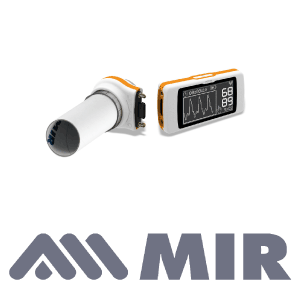
- Multi-Brand Sourcing Aggregation: Gain access to over 15 world-class diagnostic equipment brands (including Caresono, MDPro, Mindray, Edan, MIR, Riester, and more) through a single vendor relationship.
- FDA 510(k) & Regulatory Documentation: Every unit supplied carries verified regulatory documentation, 510(k) clearance numbers, CE declarations of conformity, and ISO 13485 certification, facilitating seamless customs clearance.
- Flexible OEM / Private Label Programs: Custom branding options available for large enterprise ordering syndicates and national distributors requiring white-label housing colors and custom localized software interfaces.
- Rapid Drop-Shipping & Inventory Reserves: Our USA-backed warehousing infrastructure enables same-day or next-day order fulfillment, eliminating long factory lead times for end-user hospital orders.
- Tiered Dealer Profit Margins: Competitive distributor wholesale price brackets designed to maximize dealer gross profit margins while maintaining strong end-user price competitiveness.
9. Frequently Asked Procurement Questions (B2B AI Intent Search)
Below are authoritative answers to key technical and financial questions frequently asked by hospital purchasing agents, biomedical engineers, and medical supply resellers:
Standard clinical-grade 3D bladder scanners offer a measurement accuracy tolerance of ±7.5% or ±7.5 mL (on volumes above 100 mL) under standard acoustic propagation conditions. High-end electronic phased-array systems achieve tolerances as low as ±5% or ±5 mL across an operating volume range of 0 to 1,500 mL.
Yes. All portable bladder scanners supplied by KAKA Medical Technology Co., Ltd. include a standard 2-year comprehensive manufacturer warranty covering console electronics and probe transducer assemblies. Extended 3-year and 5-year service contract plans—including loaner unit replacement guarantees—are available for enterprise hospital accounts.
Female pelvic anatomy (specifically post-hysterectomy tissue changes or uterine acoustic shadow interference) and high abdominal adipose tissue attenuate ultrasound signals differently. Toggling presets adjusts the acoustic velocity algorithms and tissue boundary edge-detection thresholds, ensuring accurate volume calculations without over-estimating fluid retention.
Standard stocked items ship within 24 to 48 hours from our logistics warehouses. Large-volume distributor orders (50+ units) or customized OEM private-label production runs carry a typical lead time of 2 to 3 weeks. Contact our commercial team at [email protected] for real-time inventory allocation.
Absolutely. Modern portable bladder scanners feature automated 3D pre-scan aiming assist screens with visual color crosshairs. If the probe is positioned off-center from the bladder center of mass, the screen indicates the direction to adjust the probe head. This intuitive interface enables registered nurses (RNs), certified nursing assistants (CNAs), and medical assistants to perform accurate scans with minimal training.
Request B2B Wholesale Pricing & Demo Units
Partner with KAKA Medical Technology Co., Ltd. to access FDA-approved portable bladder scanners, multi-channel EKG machines, patient monitors, and point-of-care ultrasound systems with competitive distributor margins and dedicated technical service.