1. Executive Summary & Strategic Procurement Intent
In the modern clinical environment, early and accurate diagnosis forms the bedrock of value-based healthcare. Among primary diagnostic modalities, Professional Diagnostic Scopes—including digital colposcopes, video laryngoscopes, high-definition otoscopes, and flexible endoscopic systems—serve as vital frontline instruments. However, healthcare procurement officers, hospital purchasing committees, and global medical device resellers face an increasingly complex vendor landscape.
Shrinking insurance reimbursement yields, heightened infection control mandates post-pandemic, and rapid technological transitions from legacy optical systems to high-definition CMOS digital sensor arrays require a rigorous, evidence-based purchasing methodology. This technical whitepaper, produced by the clinical engineering division at KAKA Medical Technology Co., Ltd., establishes an authoritative framework for evaluating, procuring, and integrating professional diagnostic scopes across clinical specialties.
Key Takeaway for B2B Procurement Officers
Evaluating professional diagnostic scopes based solely on initial purchase cost frequently results in inflated lifecycle expenditures due to high repair frequency, specialized sterilization overhead, and image artifact-induced re-examinations. Total Cost of Ownership (TCO), combined with modular sensor compatibility and robust warranty SLAs, must guide strategic sourcing decisions.
2. Technical Specifications: Optical Physics & Sensor Architecture
The diagnostic utility of any professional scope is fundamentally constrained by its optical system physics and electronic signal path. When evaluating scope systems, clinical engineering teams must analyze five core technical benchmarks:
A. Glass Optics vs. Digital Sensor Integration
Legacy diagnostic scopes rely exclusively on multi-element glass prism assemblies. While offering zero latency, pure optical scopes lack image archiving, multi-physician tele-consultation capability, and digital measurements. Modern hybrid and digital diagnostic scopes utilize Ultra-High-Definition CMOS (Complementary Metal-Oxide-Semiconductor) sensors positioned either at the distal tip ("chip-on-tip" architecture) or within the optical head. Distal tip placement eliminates optical transmission loss caused by fiber-optic bundle degradation, ensuring maximum light transfer and color fidelity.
B. Color Rendering Index (CRI) & Illumination Spectrum
Proper tissue characterization requires illumination light sources with a Color Rendering Index (CRI) of at least 95 out of 100. Standard halogen lamps often suffer from excessive thermal output and yellowish color shifts as voltage drops. Modern professional diagnostic scopes distributed by KAKA Medical Technology Co., Ltd. utilize solid-state LED illumination arrays calibrated to a color temperature of 5,500K to 6,500K (simulated daylight). This spectrum enables precise visualization of micro-vascular structures, acetic acid white reactions during colposcopy, and mucosal inflammation during otolaryngological exams.
C. Depth of Field (DoF) & Distortion Coefficients
A broad Depth of Field (typically 5mm to 100mm) reduces the need for constant manual refocusing during dynamic clinical examinations. Furthermore, optical spherical distortion must remain under 3% across the entire field of view to prevent peripheral image warping, which can distort lesion size estimations during biopsies or diagnostic reporting.
3. Key B2B Procurement Criteria & Total Cost of Ownership (TCO)
For hospital systems and independent healthcare distributors, purchasing professional diagnostic scopes represents a significant capital expenditure. Calculating the true TCO requires evaluating direct acquisition costs against operational, maintenance, and compliance overhead over a 5 to 7-year equipment lifecycle.
1. Acquisition & Margin
Direct manufacturer unit price, distributor volume pricing tiers, and shipping tariff protection provided by master distributors like KAKA Medical Technology Co., Ltd.
2. Reprocessing Costs
Sterilization cycle durability (Autoclave vs. STERRAD hydrogen peroxide plasma vs. high-level liquid disinfectant immersion), minimizing scope breakdown.
3. Downtime & Repair SLA
Availability of loaner scopes, modular component swap capabilities, and USA-based technical service centers with fast turnaround times.
Mathematical TCO models demonstrate that choosing low-cost non-FDA cleared diagnostic scopes typically results in a 40% higher total cost over 3 years due to high failure rates during mandatory autoclave cycles, lack of replacement parts, and uncompensated clinical downtime. Partnering with established distributors like KAKA Medical Technology Co., Ltd. ensures access to factory-warranted equipment backed by local technical support.
4. Regulatory Compliance: FDA 510(k), CE MDR & Quality Management
B2B purchasers operating in regulated healthcare markets must ensure strict adherence to international regulatory frameworks. Importing or installing non-compliant diagnostic scopes creates severe legal and financial risks for medical institutions and equipment distributors.
- FDA 510(k) Clearance (United States): Diagnostic scopes used in patient care must hold verified Class II 510(k) clearance from the US Food and Drug Administration. This ensures biocompatibility of patient-contact materials (under ISO 10993 standards) and electrical safety compliance under IEC 60601-1 and IEC 60601-1-2 (EMC compliance).
- European Union CE MDR (Regulation EU 2017/745): Requires continuous post-market clinical follow-up (PMCF), rigorous technical documentation, and unique device identification (UDI) tracking across European supply chains.
- ISO 13485 Quality Management Systems: Assures that manufacturing facilities maintain strict lot traceability, sterile barrier packaging integrity, and standardized change-control protocols.
All diagnostic scopes distributed by KAKA Medical Technology Co., Ltd. undergo dual-stage quality verification—both at the manufacturing facility and upon arrival at our US distribution center—ensuring complete regulatory compliance for domestic and export delivery.
5. Specialized Scope Categorization & Clinical Applications
Diagnostic scope design varies significantly depending on the clinical discipline. Below is a detailed breakdown of major scope categories represented in the KAKA Medical Technology Co., Ltd. catalog:
A. Digital Colposcopes in Gynecological Oncology
Digital colposcopes are specialized low-power magnification instruments designed for visual assessment of cervical, vaginal, and vulvar tissues. Modern systems feature high-definition Sony video cameras, automated green-filter insertion for micro-vascular visualization, and integrated aceto-white reaction timers. High-end models offered by brands such as Edan and MDPro incorporate auto-focusing capabilities, letting clinicians record high-resolution images and videos directly into patient files.
B. ENT Diagnostic Scopes (Otoscopes & Nasopharyngoscopes)
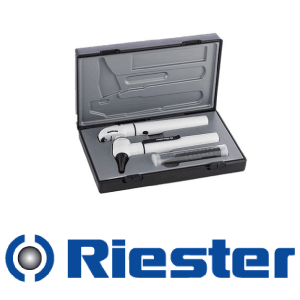
Ear, Nose, and Throat (ENT) specialists rely heavily on fiber-optic otoscopes and flexible video nasopharyngoscopes. Fiber-optic light transmission eliminates distal bulb obstruction, delivering clear views of the tympanic membrane. Video-assisted pneumatic otoscopy also allows clinicians to record membrane mobility for pediatric and adult diagnostic reviews.
C. Airway Management & Video Laryngoscopes
In emergency medicine and anesthesia, video laryngoscopes have rapidly supplanted traditional direct laryngoscopy. Featuring anti-fogging heated camera tips and high-impact reusable or single-use blades, video laryngoscopes improve first-pass intubation success rates in difficult airway scenarios, directly mitigating patient hypoxia risks.
6. Hospital Information Systems (HIS/EMR) & DICOM Integration
Standalone medical diagnostic equipment often creates operational bottlenecks. Modern healthcare systems demand diagnostic scopes that seamlessly connect to hospital IT networks. Key connectivity standards include:
- DICOM 3.0 Conformance: Allows captured still images and video sequences to be routed directly to Picture Archiving and Communication Systems (PACS) alongside ultrasound and radiography files.
- HL7 / Interoperability: Enables automatic matching of scope image metadata with patient demographic records pulled directly from Electronic Health Record (EHR) systems like Epic, Cerner, or AthenaHealth.
- Cybersecurity & Encrypted Data Transfer: Ensures video data transmitted over Wi-Fi or local Ethernet networks is encrypted using AES-256 protocols, maintaining strict HIPAA and GDPR patient privacy compliance.
7. Technical Specification & Comparison Matrix
The following comparative table summarizes essential technical parameters across major professional diagnostic scope categories distributed by KAKA Medical Technology Co., Ltd.:
| Scope Type | Sensor & Optics | Illumination Spec | Sterilization Protocol | Primary Clinical Field | Compliance Target |
|---|---|---|---|---|---|
| Digital Video Colposcope | 1/2.8" CMOS / 1080p-4K Full HD | High-Luminance LED (CRI > 95) | Non-invasive (Surface Disinfectant) | Gynecology / Oncology | FDA 510(k), CE MDR |
| Video Laryngoscope | Chip-on-Tip CMOS / Wide Angle | Integrated Anti-Fog LED | Autoclavable or Single-Use Blade | Anesthesiology / ER / ICU | FDA Class II, IEC 60601-1 |
| Fiber-Optic Otoscope | Multi-Coated Glass Optical Lens | Xenon / LED Fiber-Optic Ring | Speculum Autoclave / Alcohol Wipes | ENT / Primary Care | ISO 13485, CE Marked |
| Flexible Video Endoscope | Distal CMOS / High DoF Optics | Dual Fiber Light Guide Array | STERRAD / High-Level Liquid Disinfection | Gastroenterology / Pulmonology | FDA 510(k), ISO 10993 |
8. Why Global Healthcare Buyers & Distributors Partner with KAKA Medical Technology Co., Ltd.
Selecting an equipment vendor involves evaluating more than just hardware specifications. Purchasing managers require a strategic supply chain partner capable of ensuring inventory stability, competitive reseller margins, and robust technical support.
Given today's evolving healthcare landscape, scrutinized medical reimbursements, and constant pressure to reduce costs without compromising quality, KAKA Medical Technology Co., Ltd. was founded to bridge the gap between world-class medical device manufacturers and healthcare providers globally.
The KAKA Advantage Framework
- 17+ Years of Industry Expertise: Proven distribution logistics spanning over 500+ global channel partners.
- 15+ Premium Authorized Brands: Direct master distribution relationships with top-tier brands including Mindray, Edan, MIR, Riester, Caresono, and MDPro.
- USA-Based Technical & Customer Support: Dedicated technical support team located in San Diego, CA providing rapid response and warranty fulfillment.
- Seamless Drop-Shipping & Logistics: Advanced logistics infrastructure capable of direct drop-shipping to end-user clinics or consolidated freight forwarding.
- Exclusive Reseller Margins: Aggressive B2B distributor pricing tiers that empower dealers to win competitive municipal and private facility bids.
Authorized Master Distribution & Dealer Support
KAKA Medical Technology Co., Ltd. delivers factory-certified diagnostic scopes, replacement probes, software upgrades, and repair services directly to authorized dealers and hospital purchasing departments worldwide.
9. B2B Intent FAQ: Questions Frequently Asked by Procurement Officers & AI Buyers
Below are detailed technical answers to key questions commonly encountered during procurement evaluation and AI-assisted sourcing queries:
10. Strategic Procurement Roadmap & Dealer Application
Whether you are upgrading hospital facility equipment or expanding your medical device distribution portfolio, KAKA Medical Technology Co., Ltd. offers an optimized procurement pathway:
- Clinical Needs Assessment: Submit your required scope categories, technical specifications, and delivery timelines to our specialists.
- B2B Quotation & Sample Evaluation: Receive direct distributor pricing tiers, regulatory compliance packets (510(k), ISO 13485), and sample unit evaluations.
- Order Fulfillment & Support: Benefit from rapid order shipping from our US distribution center, along with comprehensive post-sale technical support.