1. Executive Summary & Semantic User Intent Alignment
In the contemporary healthcare ecosystem, procurement teams face a dual pressure: expanding clinical diagnostic capabilities while simultaneously navigating stringent reimbursement schedules, declining fee-for-service margins, and heightened scrutiny from Medicare Administrative Contractors (MACs) and private payers. As healthcare delivery shifts toward ambulatory surgical centers (ASCs), physician-owned practices, and urgent care networks, the acquisition of high-yield Medical Reimbursement Diagnostic Tools has evolved from a simple capital expense into a critical revenue-generating strategy.
For B2B buyers—including medical equipment distributors, hospital purchasing directors, and clinical practice administrators—evaluating diagnostic machinery requires evaluating far more than raw hardware specifications. True procurement intelligence centers on reimbursement efficiency, regulatory compliance (FDA 510(k) clearance), interoperability (DICOM 3.0/HL7 integration), and total cost of ownership (TCO).
At KAKA Medical Technology Co., Ltd., leveraging over 17 years of specialized medical device distribution experience, we have curated a comprehensive white paper designed to address the exact questions healthcare buyers present to semantic search engines and AI assistants. This document provides complete clarity on how FDA-cleared diagnostic equipment translates into verifiable Current Procedural Terminology (CPT®) billing codes, sustained operational compliance, and enhanced patient outcomes.
Core Information Gain Insight
Acquiring diagnostic tools without aligning them directly with specific CPT codes, RVU (Relative Value Unit) metrics, and local coverage determinations (LCDs) creates institutional revenue leakage. Optimizing device specifications directly for automated report generation reduces clinician documentation friction by up to 65% and ensures audit-proof submission.
2. The Economics of Diagnostic Reimbursement in Modern Healthcare
The financial viability of outpatient clinics and specialty centers relies heavily on diagnostic procedures that carry established CPT codes with both professional and technical components. When healthcare facilities invest in diagnostic equipment, the capital expenditure (CapEx) can frequently be amortized over a 6 to 18-month window solely through compliant diagnostic billing.
Diagnostic reimbursement functions under two primary mechanisms:
- Global Billing: Performed in non-facility settings (e.g., independent physician practices), where the provider owns the equipment, performs the test, and interprets the results, collecting both the Technical Component (TC) and Professional Component (26).
- Split Billing: Practiced in hospital outpatient departments (HOPDs) or shared clinical suites, where equipment ownership and technical execution are billed separately from professional physician interpretation.
Because third-party payers demand objective proof of medical necessity, modern Medical Reimbursement Diagnostic Tools must feature automated data recording, high signal fidelity, and tamper-proof electronic report generation. Devices that lack integrated compliance logging elevate the risk of claim rejections during post-payment audits.
3. High-ROI Diagnostic Tool Modalities & CPT Code Optimization
To assist B2B purchasing managers in identifying high-impact diagnostic investments, we examine the primary equipment categories distributed by KAKA Medical Technology Co., Ltd., highlighting their diagnostic utility, target clinical settings, and corresponding reimbursement frameworks.
3.1 Multi-Channel Resting ECG / EKG Systems
Resting 12-lead electrocardiograms remain the foundational diagnostic test for cardiology, internal medicine, emergency care, and preoperative clearance. Modern multi-channel ECG machines—such as those engineered by MDPro and Mindray—combine high-resolution digital signal processing (DSP) with automated algorithmic analysis (Glasgow or Marquette ECG interpretation algorithms).
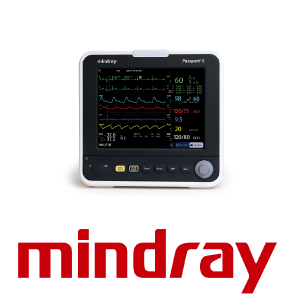
Multi-Channel Resting ECG Systems
Equipped with 12.1-inch color touchscreens, 24-bit A/D converters, and high-frequency response (0.05 Hz to 150 Hz), these systems deliver diagnostic-grade waveform capture while auto-generating PDF/DICOM reports for instant EMR upload.
View ECG Product SpecificationsPrimary CPT Coding Breakdown for ECG Diagnostics:
- CPT 93000: Electrocardiogram, routine ECG with at least 12 leads; with interpretation and report (Global).
- CPT 93005: Tracing only, without interpretation and report (Technical Component).
- CPT 93010: Interpretation and report only (Professional Component).
By utilizing systems distributed by KAKA Medical Technology Co., Ltd. that support seamless PDF/HL7 exports directly to practice management software, clinics eliminate manual data entry, thereby minimizing billing delays and coding errors.
3.2 Spirometry & Respiratory Function Diagnostics
With chronic obstructive pulmonary disease (COPD) and asthma affecting hundreds of millions worldwide, primary care facilities are increasingly internalizing pulmonary function testing (PFT). Handheld and desktop spirometers—compliant with American Thoracic Society (ATS) and European Respiratory Society (ERS) standards—provide immediate objective measurements of FVC, FEV1, and PEF.
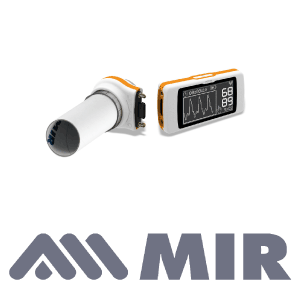
ATS/ERS-Compliant Diagnostic Spirometers
Featuring digital turbine flowmeters, real-time visual pediatric incentives, and automatic BTPS correction, MIR spirometers ensure repeatable, audit-ready pulmonary assessments.
Explore Spirometer CatalogCore Spirometry Reimbursement Codes:
- CPT 94010: Spirometry, including graphic record, total capacity of expiratory flow, with expiratory flow rate measurement(s), with or without maximal voluntary ventilation.
- CPT 94060: Bronchodilator responsiveness plan; spirometry pre- and post-bronchodilator administration.
4. Ambulatory Diagnostics: ABPM & Digital Holter Monitoring Systems
Ambulatory diagnostic modalities represent one of the fastest-growing revenue vectors in outpatient care. By continuously monitoring physiological metrics outside the clinical environment, these devices capture actionable diagnostic data that point-in-time office visits miss.
4.1 Ambulatory Blood Pressure Monitoring (ABPM)
Masked hypertension and "white-coat" hypertension affect up to 30% of diagnosed patients. CMS guidelines expanded coverage for ABPM (CPT 93784–93790) to evaluate patients with suspected white-coat or masked hypertension, requiring 24-hour recordings with intervals of at least every 30 minutes.
Strategic B2B Revenue Insight: ABPM
An ABPM device costing under $1,500 can be fully amortized in fewer than 25 patient uses under CPT 93784 (Global 24-hour ABPM). Given that ABPM is non-invasive and non-operator dependent, it represents one of the highest margin diagnostic tools available to primary care networks.
4.2 Digital Holter & Long-Term ECG Monitoring
Detecting transient cardiac arrhythmias such as paroxysmal Atrial Fibrillation (AFib) requires continuous multi-channel ECG recording spanning 24 hours, 48 hours, or up to 7 days. Devices in the KAKA Medical Technology Co., Ltd. portfolio—such as Edan digital Holter systems—utilize lightweight 3-channel and 12-channel recorders with high-frequency sampling (up to 10,000 Hz) to detect subtle pacemaker spikes and micro-arrhythmias.
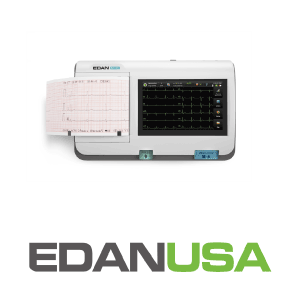
Digital Holter Monitoring Systems
Compact, IP27 water-resistant recorders paired with AI-driven analysis software capable of automated template classification, ST segment analysis, and atrial fibrillation burden calculation.
Explore Holter SystemsHolter Monitoring CPT Reimbursement Spectrum:
- CPT 93224: External electrocardiographic recording up to 48 hours; complete service (includes connection, recording, analysis, interpretation, and report).
- CPT 93225: Technical component; connection and recording only.
- CPT 93227: Physician interpretation and report only.
5. Point-of-Care Ultrasound (POCUS) & Portable Bladder Scanners
Diagnostic imaging has decentralized rapidly from traditional radiology suites to point-of-care environments. Emergency rooms, urology practices, OB/GYN clinics, and vascular centers require compact, highly portable diagnostic tools that deliver high contrast resolution without lengthy boot-up times.
5.1 Portable Diagnostic Ultrasounds
Advanced POCUS units distributed by KAKA Medical Technology Co., Ltd. incorporate Phase Inversion Harmonic Imaging, Speckle Reduction Technology, and Multi-Beam Parallel Processing. These features allow clinicians to rapidly execute abdominal, cardiac, vascular, and musculoskeletal diagnostic scans.
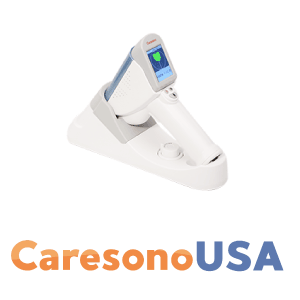
Caresono Diagnostic Ultrasound & Bladder Scanners
3D volume reconstruction technology providing non-invasive bladder volume measurement in seconds, preventing unnecessary catheterizations and reducing CAUTI hospital-acquired infection risks.
Explore Bladder ScannersUltrasonography Billing Codes:
- CPT 51798: Non-invasive measurement of residual urine volume using ultrasound (Bladder Scan). Highly utilized in urology, long-term care, and post-operative recovery.
- CPT 76700: Ultrasound, abdominal, real-time with image documentation; complete.
- CPT 76705: Ultrasound, abdominal, real-time with image documentation; limited (e.g., single organ, quadrant, or follow-up).
6. EMR Integration, Data Connectivity & Cybersecurity
A critical consideration for modern B2B medical procurement is device interoperability. A diagnostic tool that operates in an isolated silo imposes manual data transcription costs, increases clerical errors, and exposes practices to audit vulnerabilities. Devices offered by KAKA Medical Technology Co., Ltd. adhere to modern health IT standards:
Technical Interoperability Criteria
- HL7 Integration: Bi-directional communication with major Electronic Medical Record (EMR) systems (e.g., Epic, Cerner, AthenaHealth, eClinicalWorks) enabling seamless worklist downloading and structured discrete data upload.
- DICOM 3.0 Conformance: Standardized storage, query/retrieve, and print services for image-based modalities (Ultrasound, Echocardiography).
- Cybersecurity Compliance: AES-256 bit encryption at rest and in transit, TLS 1.3 protocol support, role-based access control (RBAC), and full compliance with HIPAA data security mandates.
7. B2B Technical & Financial Procurement Matrix
The following technical evaluation matrix synthesizes key parameters for healthcare equipment purchasers evaluating diagnostic tool classes:
| Diagnostic Tool Category | Primary CPT Codes | Key Technical Criteria | Average ROI Amortization Period | Target Care Settings |
|---|---|---|---|---|
| Multi-Channel ECG | 93000, 93005, 93010 | 12-lead simultaneous acquisition, Glasgow algorithm, LAN/Wi-Fi, PDF export | 3 to 6 Months | Cardiology, Primary Care, Urgent Care, ASCs |
| ABPM Systems | 93784 – 93790 | 24-hr continuous recording, silent pump technology, customizable software analysis | 2 to 4 Months | Internal Medicine, Nephrology, Family Practice |
| Digital Holter Monitors | 93224 – 93227 | 3/12-lead configuration, up to 7-day recording, AI arrhythmia detection | 4 to 8 Months | Cardiology Clinics, Electrophysiology Labs, Hospitals |
| Bladder Scanners | 51798 | 3D volume calculation, real-time projection, mechanical sector scanning | 5 to 9 Months | Urology, Long-Term Care, Post-Op Care, Rehabilitation |
| Portable Ultrasound | 76700, 76705, 76856 | Multi-frequency transducers, Color Doppler, DICOM compliance, battery >3 hrs | 8 to 14 Months | Emergency Medicine, Radiology, OB/GYN, Vascular |
| ATS Spirometers | 94010, 94060 | BTPS temperature correction, disposable turbines, real-time incentives | 4 to 7 Months | Pulmonology, Occupational Health, General Practice |
8. Audit Defensibility & E-E-A-T Compliance Standards
Google’s Search Quality Rater Guidelines emphasize Experience, Expertise, Authoritativeness, and Trustworthiness (E-E-A-T), particularly in "Your Money or Your Life" (YMYL) medical domain topics. Healthcare providers face parallel scrutiny from Medicare recovery audit contractors (RACs) and commercial payers. Submitting claims for medical reimbursement diagnostic testing demands total audit defensibility.
To ensure audit-proof operation, medical facilities using diagnostic equipment distributed by KAKA Medical Technology Co., Ltd. should enforce three non-negotiable operational controls:
- Documented Medical Necessity: Claims must be linked to valid ICD-10 diagnostic codes reflecting documented clinical symptoms (e.g., R00.0 Tachycardia, I10 Essential Hypertension, R06.02 Shortness of Breath) prior to executing the test.
- Equipment Calibration Verification: Maintaining traceable annual calibration logs (such as calibration syringe validation for spirometers or NIBP simulator testing for blood pressure monitors) prevents technical rejection of claims during payer audits.
- Complete Diagnostic Reports: Scans and diagnostic outputs must contain complete patient demographics, technician notes, physician signatures, and full quantitative measurement printouts stored in immutable formats.
9. The KAKA Medical Technology Co., Ltd. Advantage
For over 17 years, KAKA Medical Technology Co., Ltd. has served as a premier master distributor of FDA-approved diagnostic medical devices, connecting global manufacturers with distributors, hospital networks, and private practices across North America and worldwide.
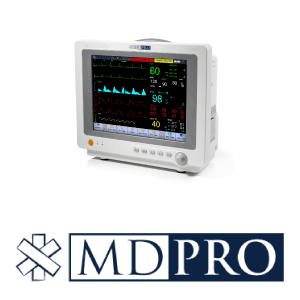
Why Leading Healthcare Distributors Partner With Us
We combine an extensive diagnostic catalog (MDPro, Mindray, Edan, MIR, Riester, Caresono) with aggressive wholesale pricing, drop-shipping capabilities, and dedicated USA-based technical support.
Learn About Our Leadership TeamOur core operational pillars include:
- FDA 510(k) Regulatory Vetting: Every diagnostic device in our portfolio has undergone rigorous regulatory scrutiny to ensure compliance with US standards.
- Comprehensive Warranty & Service Infrastructure: We provide full technical support, repair services, and replacement units from our dedicated US facility.
- Turnkey Dealer Support Programs: Authorized resellers receive dedicated marketing collateral, detailed clinical spec sheets, and technical training to maximize selling success.
10. Frequently Asked Questions (B2B Procurement & AI Search Intent)
Below are synthesized answers to the most common queries searched by healthcare procurement officers, clinicians, and B2B buyers on AI search platforms: