“Top” can mean life-saving, widely used, or especially helpful in daily care. Those measures do not always point to the same device. FDA Approved Medical Devices span many fields, from implantable heart devices to glucose monitoring systems and cochlear implants. Each serves a different need. A small sensor on the arm, for example, can help track glucose trends, while an implanted defibrillator can detect certain dangerous heart rhythms and deliver treatment. Real devices. Real differences.
FDA status also requires careful wording. Some devices receive FDA approval, while others are cleared through a different review pathway. These terms are not interchangeable, and the evidence, risks, and intended uses vary by product. A device’s regulatory status does not guarantee that it is right for every patient. It is one important piece of information. This guide will compare notable devices by purpose, clinical role, and practical considerations, including comfort, monitoring needs, and potential risks. Readers should check current FDA records and discuss individual choices with qualified healthcare professionals. “Top” is still an imperfect label; the best option depends on the person, the condition, and the care team.
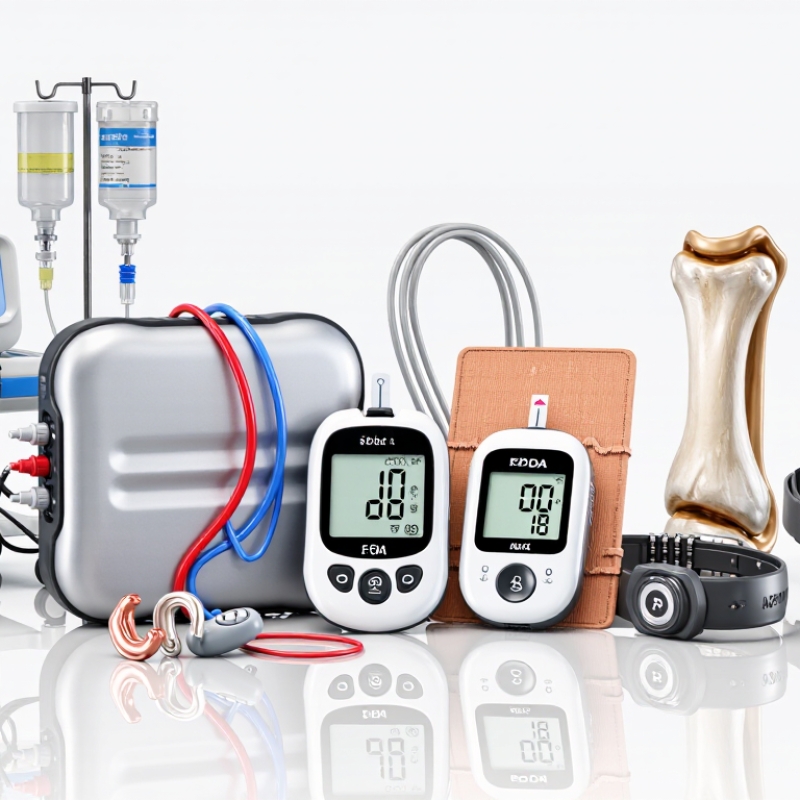
What FDA Approval Means for Medical Devices
“FDA approved” is often used as shorthand, but it does not describe every device pathway. Many devices reach the U.S. market through 510(k) clearance, which means FDA found them substantially equivalent to a legally marketed device. Novel devices without a suitable comparison may qualify for De Novo classification. Higher-risk Class III devices generally require Premarket Approval, with evidence supporting safety and effectiveness. The wording matters.
The difference appears in FDA’s FY 2023 CDRH Annual Report: it records thousands of 510(k) decisions, compared with dozens of PMA approvals. Those figures describe different review pathways, not a simple ranking of device quality. A cleared device is not necessarily supported by the same type or volume of clinical evidence as a PMA-approved device. Nor does authorization guarantee a particular patient outcome.
For a clinician examining a device’s record, the pathway is a useful starting point. Check its intended use, warnings, and supporting evidence—not only the word “approved” in a product description. FDA review can assess submitted evidence, but real-world performance may still raise questions after a device is used. That distinction is easy to blur. It deserves a closer look.
What Are the Top FDA-Approved Medical Devices? — What FDA Approval Means for Medical Devices
“FDA-approved” applies specifically to devices authorized through the Premarket Approval (PMA) pathway. Many other devices are FDA-cleared through 510(k), or granted marketing authorization through the De Novo pathway; these terms are not interchangeable.
| Representative device type | Common clinical use | Typical FDA pathway or status | What the FDA review generally means |
|---|---|---|---|
| Implantable cardioverter-defibrillator systems | Monitor heart rhythm and deliver therapy for certain dangerous arrhythmias. | Many implantable systems are PMA-approved; the pathway depends on the specific device and intended use. | PMA review evaluates evidence supporting the device’s safety and effectiveness for its approved indications. |
| Artificial heart valves | Replace or support a diseased heart valve in eligible patients. | Many surgically implanted valve devices are PMA-approved. | The authorization is tied to the device’s labeling, including its indicated use and relevant patient population. |
| Cochlear implant systems | Provide sound input for certain people with severe hearing loss who meet eligibility criteria. | Implant systems are generally regulated through PMA; indications may differ by device. | FDA review considers evidence for the labeled use, along with device-specific safety and performance information. |
| External insulin infusion pumps | Deliver insulin to help manage diabetes according to the device’s instructions. | Many are 510(k)-cleared rather than PMA-approved; the pathway varies by product and features. | 510(k) clearance generally means FDA found the device substantially equivalent to a legally marketed predicate device for its intended use. |
| Pulse oximeters | Estimate blood oxygen saturation and pulse rate using light through tissue. | Many prescription pulse oximeters are 510(k)-cleared; consumer products and claims can differ. | Clearance is specific to the device’s intended use and does not mean every product or use has been reviewed identically. |
| Home pregnancy tests | Detect human chorionic gonadotropin (hCG) in urine to help determine pregnancy. | Many are 510(k)-cleared in vitro diagnostic devices. | Clearance reflects review of the device for its stated purpose; users should follow the test instructions and labeling. |
Important: FDA status is product-specific, not determined by a broad device category. A device may be PMA-approved, 510(k)-cleared, granted De Novo authorization, or subject to another regulatory pathway. Always check the FDA’s device records and the product’s current labeling for its exact status and authorized indications.
FAQS
No. Some devices are exempt from premarket notification, while others receive 510(k) clearance or De Novo classification. Higher-risk devices generally need Premarket Approval.
It means the FDA found a device substantially equivalent to a legally marketed device. It does not mean the device followed the same review pathway as a PMA-approved device.
It may be used for novel, low- to moderate-risk devices without a suitable comparison device. The pathway depends on the device’s risks and intended use.
They shape the questions reviewers ask and the evidence needed. A simple thermometer and an implanted heart valve face different concerns. That makes sense.
Evidence can include laboratory performance, electrical safety, software reliability, usability, and clinical studies. A home-use device may need clear instructions for someone using it alone.
No. Review assesses submitted evidence, but real-world performance may raise questions later. The difference is easy to blur.
It reviews safety reports, inspects manufacturers, and may require postmarket studies. Patients and clinicians can also report problems.
No. Reports can help reveal patterns, such as repeated component failures, but cannot prove causation or show how often an event occurs. Signals can be noisy.
Manufacturers generally must report deaths and serious injuries within 30 days. Some urgent cases have a five-day deadline. Clear, timely reports matter.
Conclusion
FDA Approved Medical Devices are products that have undergone FDA review or another applicable regulatory process to help ensure they meet requirements for safety and effectiveness. The level of review depends on a device’s intended use and potential risk. The FDA may assess scientific evidence, design and manufacturing information, and clinical data before a device can be marketed. Some devices require extensive premarket review, while others follow different pathways based on their risk and similarity to existing products.
These devices span many categories, including diagnostic equipment, monitoring tools, implants, and therapeutic technologies used across medical specialties. Examples include imaging systems, heart rhythm monitors, artificial joints, and devices that deliver treatment. FDA oversight continues after market entry through safety reporting, inspections, and review of new information about device performance. This ongoing monitoring helps identify concerns and supports appropriate action when risks emerge, while healthcare professionals and patients can use reliable safety information when making care decisions.