Veterinary Diagnostic Equipment supports faster, clearer decisions in clinics, laboratories, and animal hospitals worldwide. A compact hematology analyzer can flag anemia within minutes. A portable ultrasound system can reveal fluid around a patient’s organs during an urgent examination. These tools connect laboratory evidence with practical veterinary care. Their value depends on accuracy, durability, staff training, and responsive technical support. A low purchase price means little if calibration becomes difficult or replacement parts arrive late.
This guide examines the Top 10 Veterinary Diagnostic Equipment Suppliers Worldwide through a practical, evidence-focused lens. We consider product range, diagnostic performance, service networks, compliance practices, user feedback, and long-term operating costs. The selection is not a permanent verdict. Markets change, product lines evolve, and regional support can differ greatly. No supplier is perfect. Our assessment has limits, especially where public data remains incomplete or inconsistent. That uncertainty deserves attention. Some companies excel in advanced imaging, while others serve smaller practices with affordable laboratory systems. Others provide stronger integration between analyzers, software, and electronic medical records. Buyers should verify warranty terms, installation requirements, consumable availability, and local maintenance capacity before deciding. The strongest supplier is not always the largest name. It is the partner that delivers dependable results when the examination room is busy, the sample is limited, and every minute matters.
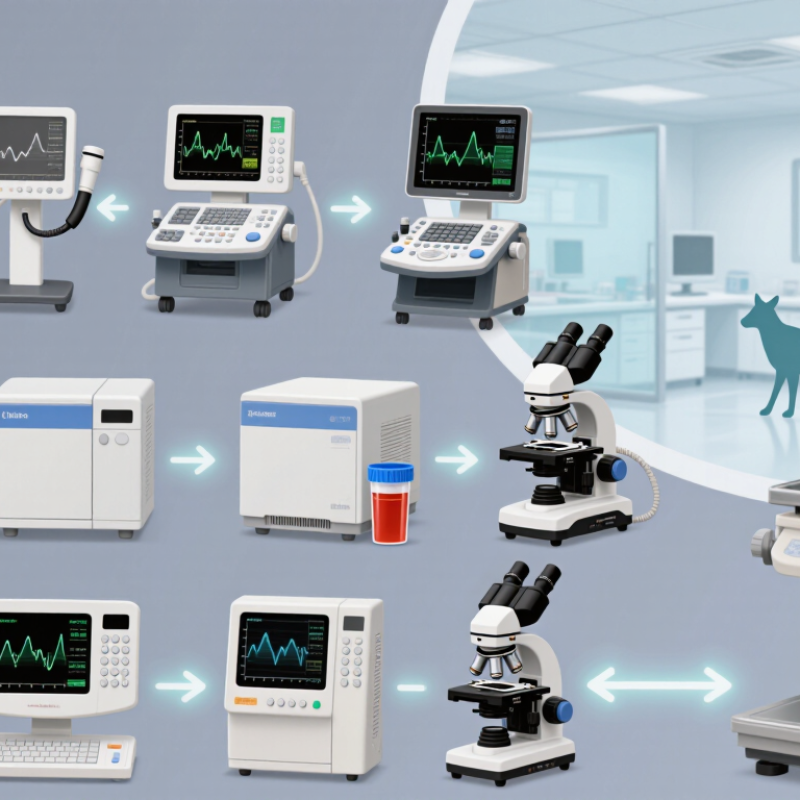
Veterinary Diagnostic Equipment: Definition, Scope, and Core Technologies
Veterinary diagnostic equipment includes the instruments and systems used to assess animal health, support clinical decisions, and monitor treatment. Its scope ranges from everyday tools, such as microscopes and blood analyzers, to imaging systems, including ultrasound and digital radiography. Some equipment tests samples in the clinic; other systems help veterinarians examine structures inside the body. The right setup depends on species, patient size, case volume, and available staff. A compact practice may need fast, reliable blood results more than a broad menu of advanced tests.
Core technologies include clinical chemistry, hematology, urinalysis, imaging, and molecular testing. Each has different requirements for sample handling, calibration, maintenance, and interpretation. For example, a hemogram can show changes in blood cell counts, but it does not identify every cause of illness. Results should be considered alongside the animal’s history and physical examination. Software can organize findings, yet poor data entry still leads to poor records. That is easy to overlook.
Tips: Before comparing suppliers, list the tests performed most often and check service coverage, training, consumable availability, and turnaround time. Ask how quality control is documented and what happens when a device fails. A lower purchase price may not mean lower operating costs. Also consider workflow: a reliable analyzer is less useful if its sample requirements do not fit the clinic’s routine.
Top 10 Veterinary Diagnostic Equipment Suppliers Worldwide - Veterinary Diagnostic Equipment: Definition, Scope, and Core Technologies
Supplier names and brands are intentionally omitted. The entries describe established equipment categories and capabilities, not a verified ranking of individual suppliers.
| No. | Supplier Capability Area | Equipment and Core Technologies | Typical Veterinary Use | Common Setting |
|---|---|---|---|---|
| 1 | Hematology systems | Automated cell counting using impedance, optical analysis, or combinations of measurement methods; some systems provide differential white-cell counts. | Complete blood count testing to assess red cells, white cells, and platelets. | Clinics, hospitals, and reference laboratories |
| 2 | Clinical chemistry analyzers | Photometric assays, reagent-based analysis, and—in some platforms—electrolyte measurement using ion-selective electrodes. | Measurement of biochemical markers used to evaluate organ function and metabolic status. | In-clinic laboratories and diagnostic laboratories |
| 3 | Immunoassay platforms | Antigen–antibody assays, including enzyme-linked and fluorescence-based detection formats, depending on the instrument. | Testing for selected hormones, cardiac markers, infectious-disease antigens, and other analytes. | Veterinary practices and laboratories |
| 4 | Molecular diagnostic systems | Nucleic-acid amplification technologies, including PCR and real-time PCR; assay menus and sample workflows vary by system. | Detection of targeted pathogen nucleic acids and selected genetic targets. | Reference, research, and suitably equipped clinical laboratories |
| 5 | Urinalysis equipment | Reagent-strip reflectance reading and, on some systems, digital imaging or particle analysis of urine sediment. | Urine chemistry and sediment assessment as part of diagnostic workups. | Veterinary clinics and laboratories |
| 6 | Coagulation analyzers | Clot-based or optical measurement methods for selected hemostasis assays; available tests depend on the platform. | Assessment of blood-clotting function before procedures or during investigation of bleeding disorders. | Veterinary hospitals and diagnostic laboratories |
| 7 | Microscopy and digital imaging | Optical microscopy, slide scanning, and image capture or analysis tools; automated interpretation capabilities differ by application. | Review of blood films, cytology, parasites, and other prepared specimens. | Clinics, pathology services, and laboratories |
| 8 | Point-of-care rapid testing | Lateral-flow immunoassays and compact reader-based tests designed for defined analytes and sample types. | Rapid in-clinic screening or detection of selected infectious agents and biomarkers. | Veterinary practices and field settings |
| 9 | Diagnostic imaging systems | Digital radiography, ultrasound, and other imaging modalities that create anatomical or functional images rather than laboratory assay results. | Examination of bones, organs, soft tissues, and pregnancy-related structures. | Clinics, hospitals, and mobile veterinary services |
| 10 | Laboratory workflow and data systems | Instrument connectivity, quality-control functions, result storage, and laboratory information-system interfaces where supported. | Organization and transmission of test orders, quality records, and diagnostic results. | Multi-instrument clinics and diagnostic laboratories |
Note: Veterinary diagnostic equipment includes instruments and related systems used to examine specimens or generate diagnostic images. Available tests, supported species, performance characteristics, and regulatory clearances are specific to each device and assay.
FAQS
Common tools include digital radiography, ultrasound, endoscopy, and computed tomography. Each reveals different details, such as bone fractures or soft-tissue changes.
Hematology analyzers assess blood cell patterns. Biochemistry analyzers help evaluate organ function, while urinalysis systems can flag abnormalities.
They can monitor oxygen saturation, temperature, heart rate, and blood pressure. Small details matter.
Dental images may reveal hidden root disease. Microscopy can support parasite checks and cell evaluation.
Match the system to case volume, staff training, maintenance access, and available space. A complicated interface may slow a busy team.
Regular calibration, documented procedures, and staff competency checks improve reliability. Equipment results still need clinical interpretation.
Compact analyzers can process some blood tests within minutes. Portable ultrasound can help rural practices and mobile teams, but training remains necessary.
No. Digital tools may assist with slide review or parasite identification, but false confidence is a risk. Reflect on their limits.
Review data security, user access, offline functions, and local technical support. Remote internet access may be unreliable.
Consumables, downtime, and staff training add to the purchase cost. An underused analyzer can become expensive.
Conclusion
Veterinary Diagnostic Equipment encompasses the tools and technologies used to detect, monitor, and evaluate animal health conditions across clinics, hospitals, laboratories, farms, and research settings. This article explains the scope of modern veterinary diagnostics, including imaging systems, laboratory analyzers, point-of-care testing devices, monitoring instruments, and digital solutions. It also outlines how to evaluate global suppliers by considering product accuracy, reliability, technical support, regulatory compliance, training, maintenance, distribution capabilities, and overall value.
The guide compares leading suppliers by product category and geographic coverage while highlighting the equipment categories most important to modern veterinary practices. It also examines major market trends, such as the growing demand for rapid testing, portable devices, automated workflows, connected data platforms, preventive care, and solutions designed for diverse animal species. By understanding these technologies, purchasing criteria, regional strengths, and emerging developments, veterinary professionals can make more informed decisions and select equipment that supports efficient diagnosis, improved clinical workflows, and better long-term animal care.