Ningbo FutureSpace Logistics Technology Co., Ltd. delivers high-performance FDA-approved medical equipment paired with world-class supply chain expertise to healthcare partners globally.
In recent years, the importance of Automated External Defibrillators (AEDs and Defibrillators) has become increasingly evident. A study by the American Heart Association reveals that immediate defibrillation can improve survival rates from sudden cardiac arrest by up to 70%. This statistic underscores the critical role these devices play in emergency care. Selecting the right AED or defibrillator is vital for ensuring effective response in crisis situations.
The market for AEDs and Defibrillators has witnessed significant growth, with a projected increase of 15% annually. This surge reflects the growing awareness around cardiac emergencies and their treatments. However, potential buyers often overlook key factors when choosing these devices. Not all AEDs are created equal; features vary widely among models. It is crucial to understand which specifications are essential for your environment—be it a workplace, school, or public space.
Many individuals and organizations may find themselves uncertain about the best choice. Common mistakes include underestimating user-friendliness or the importance of regular maintenance. It is essential to continuously evaluate the decision-making process around AEDs and Defibrillators to enhance preparedness and ultimately save lives in emergencies.
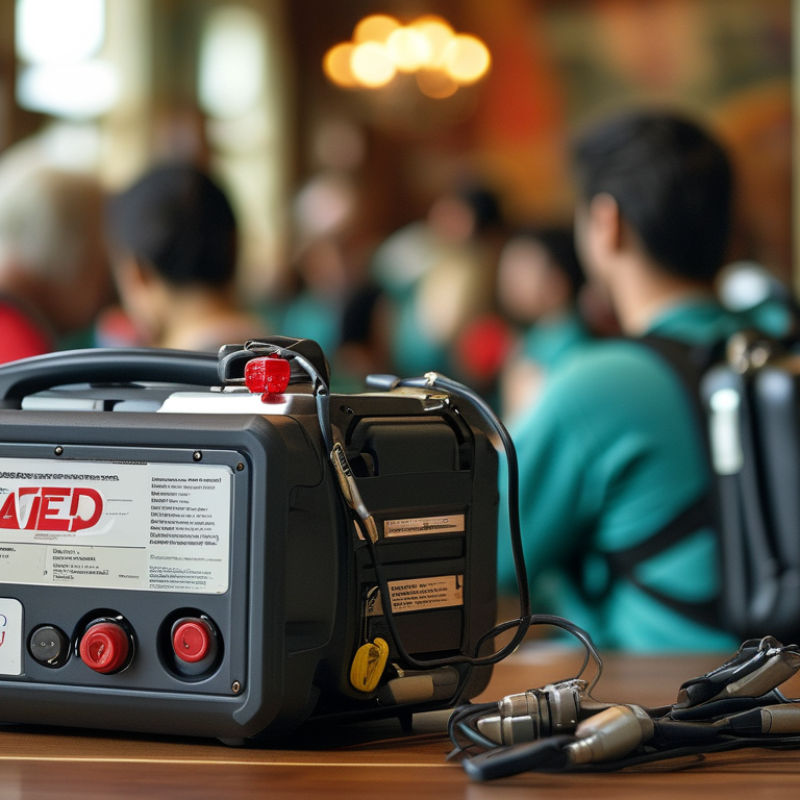
Automated External Defibrillators (AEDs) and defibrillators play crucial roles in emergency cardiac care. AEDs are portable devices designed for non-medical personnel to use in cardiac arrest situations. They analyze a patient’s heart rhythm and deliver a shock if needed. Their user-friendly designs make them accessible to anyone.
Understanding the key functions of these devices is vital. Defibrillators restore normal heart rhythms through electrical shocks. AEDs guide users with audible and visual prompts, reducing the possibility of mistakes. Many people assume they don't need AEDs, believing help will arrive in time. This misconception can be dangerous.
Inadequate training can lead to hesitation in emergencies. Reflecting on personal experiences or stories where AEDs made a difference highlights their importance. Access to this life-saving technology can significantly increase survival rates. It's essential to consider not just the presence of AEDs, but also how to effectively use them during critical moments.
When selecting an Automatic External Defibrillator (AED), understanding the types available is crucial. There are two primary types: fully automatic and semi-automatic AEDs. Fully automatic devices will administer shocks without user intervention. This is beneficial in high-pressure situations. However, they may not give users necessary control during emergencies.
The design features matter too. Look for AEDs that offer clear visual and audio prompts. This clarity can guide a user with little medical training. Ease of use is essential. Ensure that your chosen AED has straightforward instructions. Some units come with child pads, making them more versatile. It’s important to choose a device that suits your demographic needs, like schools or community centers.
Consider the maintenance requirements as well. Some AEDs require more frequent battery replacements and inspections. This can be a hassle in busy settings. Evaluate how often the AED will be used. Reflect on your available resources for upkeep. A reliable AED is an investment in safety. Yet, an unused device will not provide its intended protection. Your choice should reflect genuine readiness and capability.
When selecting AEDs for public spaces, it’s crucial to consider accessibility. Devices should be placed in locations that are easy to find and reach. High-traffic areas, such as shopping centers and sports venues, are ideal. These locations often have laypersons available to use them during emergencies. The visibility of the AED is key. Signs should direct people to it easily.
In contrast, private spaces require a different approach. For offices or homes, think about the number of individuals who might need access. The AED should be stored securely, yet remain accessible. Staff training is essential in these environments. Regular drills can help ensure readiness during actual emergencies.
Battery life and maintenance are factors that shouldn’t be overlooked. Public spaces might face harsher conditions, while private areas may see less frequent use. It’s a mistake to assume all devices are the same. Different settings demand specific features and considerations. Reflecting on these elements can enhance emergency preparedness significantly.
| Factors to Consider | Public Spaces | Private Spaces |
|---|---|---|
| Accessibility | High traffic areas, easily visible and reachable | Usually in a dedicated location, access for family and friends |
| Ease of Use | Should be user-friendly for untrained responders | Can be more complex, may have trained personnel |
| Maintenance Requirements | Regular checks and easy access for maintenance | Can be managed on a personal schedule |
| Training Programs | Training sessions for staff are essential | Training may be optional but beneficial |
| Child Compatibility | Must have pediatric settings available | Less critical unless children are frequently present |
| Cost | Higher budget for public installations | More flexibility in budget for personal needs |
| Regulatory Compliance | Must comply with local laws and regulations | Less regulatory oversight, based on personal choice |
| Location and Visibility | Visible signage indicating AED location | May not need extensive signage |
| Support and Warranty | Robust support channels required | Support may be less critical |
| Battery Life | Long-lasting batteries required due to high usage | Standard battery life may suffice |
When selecting an AED, understanding its maintenance and training needs is vital. Regular maintenance ensures that the device functions correctly during emergencies. According to the American Heart Association, approximately 350,000 cardiac arrests occur outside of hospitals annually. Proper upkeep can save lives.
Routine checks of the battery and pads are essential. Studies show that nearly 30% of AEDs may not be operational when needed due to lack of maintenance. Create a log for inspecting these devices monthly. This simple step can significantly impact readiness.
Training is equally critical. About 70% of cardiac arrest victims receive no immediate assistance. Ensuring CPR and defibrillator training for staff or community members is vital. Short, regular training sessions can improve confidence. Focus on hands-on practice, as it enhances retention.
Incorporating regular drills fosters a culture of preparedness. Emergency readiness requires ongoing commitment. It’s important to reflect on current training effectiveness. Are drills frequent enough? Adjustments to training frequency might be necessary.
When evaluating AEDs and defibrillators, cost is a significant consideration. While a lower price may seem appealing, it can sometimes indicate compromised quality. A high-quality device is essential for effective emergency use. Investing in a reliable AED can save lives. Consider long-term value rather than just the upfront cost. It’s wise to evaluate initial expenses alongside potential maintenance and replacement costs.
Warranty options are equally important. A solid warranty can provide peace of mind. Look for warranties that cover parts and service for at least five years. This ensures that if anything goes wrong, repairs won’t significantly impact your budget. Also, understand the specific terms of the warranty. Some may have restrictions based on usage or geographic location.
Think critically about your choices. Are you prioritizing budget over quality? Are you fully aware of what the warranty covers? Reflecting on these questions is crucial. Effective decision-making requires you to weigh all factors carefully. Your choice of AED could be vital in an emergency. Always remember the balance between cost and reliability when making your selection.
ED in emergencies?
Many believe help will arrive on time. This thinking can be dangerous during cardiac arrest situations.
AEDs should be in easily accessible locations, such as shopping centers or sports venues.
Accessibility, security, and the number of potential users are critical for private spaces.
Training is vital; it can reduce hesitation and improve the likelihood of using the AED effectively.
Regular checks of batteries and pads are essential, as many devices may be non-operational without them.
Monthly inspections are recommended to ensure devices are operational when needed.
About 70% of victims do not receive any immediate assistance, highlighting the need for training.
Focus on short, regular sessions with hands-on practice to enhance retention and confidence.
Yes, reflecting on the effectiveness of current training and adjusting frequency is important for readiness.
Choosing the right AEDs and Defibrillators is crucial for ensuring safety in emergencies. Understanding the key definitions and functions of these devices is the first step in making an informed decision. It’s important to assess the different types of AEDs to find one that fits your specific needs, whether for public spaces, such as schools or malls, or private settings, like homes or offices.
When selecting AEDs and Defibrillators, several factors should be taken into account, including their maintenance and training requirements. Proper training ensures that users can operate the devices effectively during critical moments. Additionally, evaluating cost and warranty options will help in making a financially sound investment. Overall, careful consideration of these aspects will lead to a more effective choice in emergency preparedness.