Ningbo FutureSpace Logistics Technology Co., Ltd. delivers high-performance FDA-approved medical equipment paired with world-class supply chain expertise to healthcare partners globally.
Portable Bladder Scanners have become essential tools in modern healthcare. These devices provide non-invasive assessments of bladder volume, aiding in accurate diagnosis and treatment plans. According to recent industry reports, the global market for bladder scanners is projected to expand significantly, with a compound annual growth rate (CAGR) of around 7% over the next five years. This growth indicates increasing adoption in both clinical and home care settings.
Choosing the right Portable Bladder Scanner is crucial for healthcare providers. Factors such as accuracy, ease of use, and portability must be considered. In a report by the American Urological Association, nearly 30% of clinicians expressed concerns about the reliability of certain models. This highlights the need for informed decision-making when selecting a device.
With advancements in technology, many options are available. However, not all scanners are created equal. Some may offer features that are appealing but lack accuracy. Healthcare professionals should weigh the pros and cons carefully to find a model that aligns with their needs. Balancing cost and functionality can be challenging, but it is necessary for effective patient care.
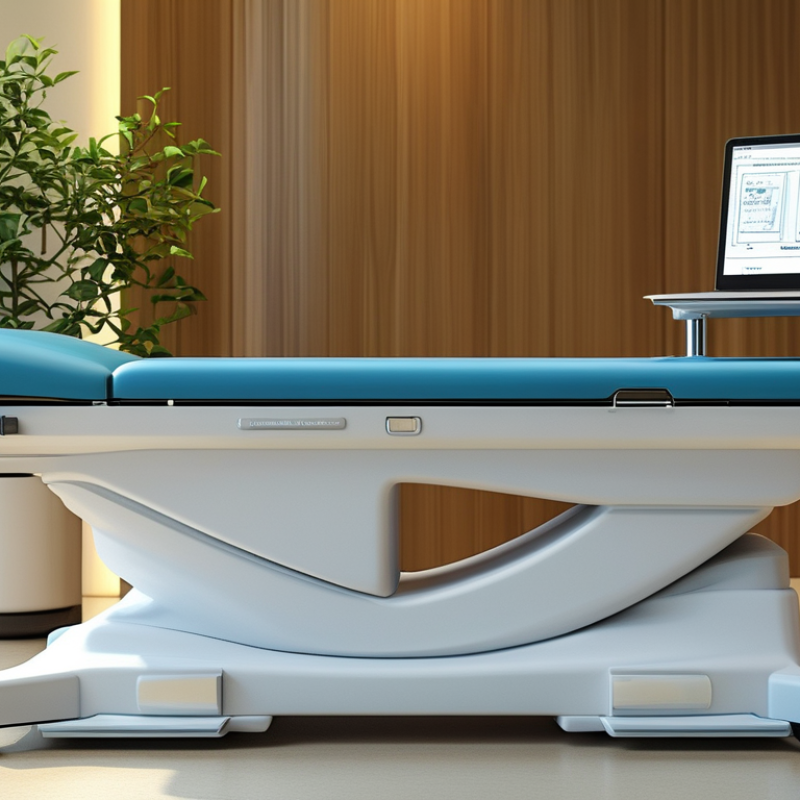
When selecting a portable bladder scanner, understanding key features is essential. Look for devices with high-resolution imaging technology. This ensures accurate readings and clearer visualizations of the bladder. A scanner with automatically adjustable settings can simplify the user experience, especially for those new to the technology. Ease of use is critical. Consider models with intuitive interfaces to minimize errors during operation.
Battery life is another important aspect. A scanner that runs for an extended period without frequent recharging is advantageous. This feature is beneficial for professionals who need to conduct numerous scans in a day. Additionally, examine the weight and portability of the device. A lightweight device ensures convenient transport and reduces fatigue during use.
While advanced features are attractive, it's important to weigh the necessity of each one. Sometimes more technology means complexity. Not all users need every advanced feature. It's wise to reflect on your specific needs and prioritize functionality over unnecessary add-ons. Balancing these considerations will guide you to a scanner that best suits your requirements.
When considering the best portable bladder scanners, understanding your specific needs is crucial. The use of bladder scanners varies significantly between medical and personal settings. For medical professionals, accuracy and reliability are paramount. According to a 2022 industry report, over 75% of healthcare facilities use bladder scanners to enhance patient care and diagnostics. These devices help detect urinary retention, reducing unnecessary catheterizations.
In contrast, personal use may focus on convenience and ease of use. Non-medical users may desire a scanner that is lightweight and easy to operate. A survey found that 68% of personal users prioritize portability in their devices. This group often seeks devices that quickly provide readings without extensive training.
When selecting a portable bladder scanner, understanding the variety of brands and models is crucial. Recent industry studies indicate that performance varies significantly among devices, particularly in accuracy and ease of use. For instance, some models report accuracy rates exceeding 95%, while others hover around 80%. Users must consider these statistics when making choices.
Many professionals argue that simplicity in design contributes to better overall performance. Devices with intuitive interfaces often lead to quicker and more accurate results. However, an increased number of features can complicate usability. Scanners that offer real-time data visualization tend to provide greater user satisfaction but may overwhelm less tech-savvy users.
Durability should also be a factor in your decision. Research shows that portable scanners face rigorous use in clinical environments. Some models have been found to have longer lifespan ratings, surviving multiple drops and various handling conditions. However, not all products meet these durability standards, leading to potential miscommunication regarding reliability. Reflecting on these data points can guide users toward informed choices.
When choosing a portable bladder scanner, evaluating accuracy and reliability is crucial. Accuracy ensures you get the right measurements, which directly impacts patient care. A device that often misreads bladder volume can lead to incorrect treatment decisions. Look for scanners that use advanced technology and offer clinical validation studies. This information should be readily available in product documentation.
Reliability is just as important as accuracy. A reliable scanner produces consistent results across different sessions and users. This means the device should be easy to operate and maintain. User training is essential; without proper knowledge, even the best devices can yield inaccurate results. Also, consider device ergonomics. A scanner that is comfortable to hold and use can enhance the operator’s effectiveness.
It’s wise to read reviews and user testimonials. However, don’t let a few positive comments blind you. Every device may have weaknesses. Sometimes, user error is overlooked in discussions. Reflecting on potential challenges is vital when making a choice. Ultimately, the best scanner will depend on specific clinical needs and user preferences.
| Model | Accuracy (%) | Weight (lbs) | Battery Life (hours) | Price (USD) |
|---|---|---|---|---|
| Model A | 95 | 2.5 | 8 | 1200 |
| Model B | 92 | 3.0 | 10 | 1050 |
| Model C | 90 | 2.8 | 6 | 850 |
| Model D | 93 | 2.2 | 9 | 1100 |
| Model E | 89 | 3.2 | 7 | 900 |
Proper maintenance of a portable bladder scanner ensures its accuracy and longevity. Start by regularly cleaning the device according to the manufacturer's guidelines. Use soft, lint-free cloths to wipe down the casing and transducer. Avoid harsh chemicals that could damage the surface. Keep the scanner in a protective case when not in use. This minimizes the risk of accidental drops or exposure to dust.
Battery care is also crucial. Charge the scanner fully before first use. After that, routinely check the battery level and recharge as necessary. It’s important to avoid overcharging, as this can shorten battery life. Additionally, inspect the transducer regularly for any signs of wear or damage. Addressing issues promptly can prevent incorrect readings and ensure reliable performance.
Lastly, make sure to update software or firmware when available. This helps maintain accuracy by incorporating the latest algorithm improvements. Always refer to the user manual for specific maintenance guidelines. Neglecting basic care can lead to bigger problems down the line, potentially compromising patient care. Regular check-ups will save time and resources in the long run.
: High-resolution imaging is key for accurate readings. An intuitive interface simplifies user experience.
A long battery life is vital for professionals who scan multiple patients daily. Frequent recharging can disrupt workflow.
Accurate measurements affect patient care directly. Misreadings can lead to wrong treatment choices.
A reliable scanner provides consistent results. User training is essential to avoid mistakes.
Clean it regularly with soft cloths. Follow cleaning guidelines to ensure proper maintenance.
Yes, updates can improve accuracy. They incorporate the latest algorithm enhancements.
A comfortable design helps with prolonged use. It can enhance effectiveness and reduce fatigue.
Not every advanced feature may be necessary. Assess your specific requirements before choosing a scanner.
Regularly check battery levels and transducer condition. This prevents incorrect readings.
Reviews are helpful, but consider possible biases. Reflect on challenges that could arise with device use.
When selecting the best portable bladder scanners for your needs, it is essential to understand the key features that contribute to their effectiveness. Consider the primary purpose for which you need the device—whether for medical use in a clinical setting or for personal use at home. Each application may require different functionalities or levels of precision.
Additionally, evaluating the accuracy and reliability of the devices is crucial, as these factors significantly impact the quality of bladder assessments. It's also important to explore popular brands and models in the market to find a scanner that meets your criteria. Lastly, proper maintenance and care can prolong the lifespan of your portable bladder scanner, ensuring it remains a useful tool for monitoring bladder health over time.