[email protected] Mon – Fri  8:00 AM – 5:00 PM PST
Industry Insights & Knowledge Base

Medical Technology Insights & Clinical Guides

Explore expert articles, diagnostic device guides, and industry news from KAKA Medical Technology Co., Ltd.

Authorized Dealer Program

Latest Trends in Diagnostic Medical Equipment

Stay informed on FDA approvals, technological advancements, and distribution solutions worldwide.

Clinical Resources

Expert Clinical Device & Distribution Guides

Learn how KAKA Medical Technology Co., Ltd. delivers clinically proven diagnostic solutions at global scale.

0%

China has a broad medical-device manufacturing sector, and its Vital Signs Monitors serve hospitals, clinics, emergency teams, and home-care settings. This guide introduces ten manufacturers associated with this market and outlines what buyers may want to examine before contacting suppliers. A list can help narrow a search. It cannot replace product evaluation.

Monitor designs vary. Some focus on spot checks, while others support continuous bedside observation. Depending on the model, measurements may include blood pressure, oxygen saturation, pulse rate, temperature, and respiratory rate. Buyers should compare the intended care environment, measurement range, display readability, alarm settings, connectivity, and service support. Small details matter. A clear screen is useful under bright ward lighting; a responsive alarm matters when staff are managing several patients.

The manufacturers in this overview should be assessed through current product documentation, operating instructions, and direct supplier discussions. Check which measurements each model supports, whether accessories are included, and how calibration and maintenance are handled. Certifications and market availability can differ by product and destination, so confirm them with the manufacturer rather than relying on a company-wide claim. Specifications also change. Even a polished brochure may leave practical questions unanswered, and that is worth remembering. This introduction offers a starting point for comparison, not an endorsement or a substitute for clinical and technical review.
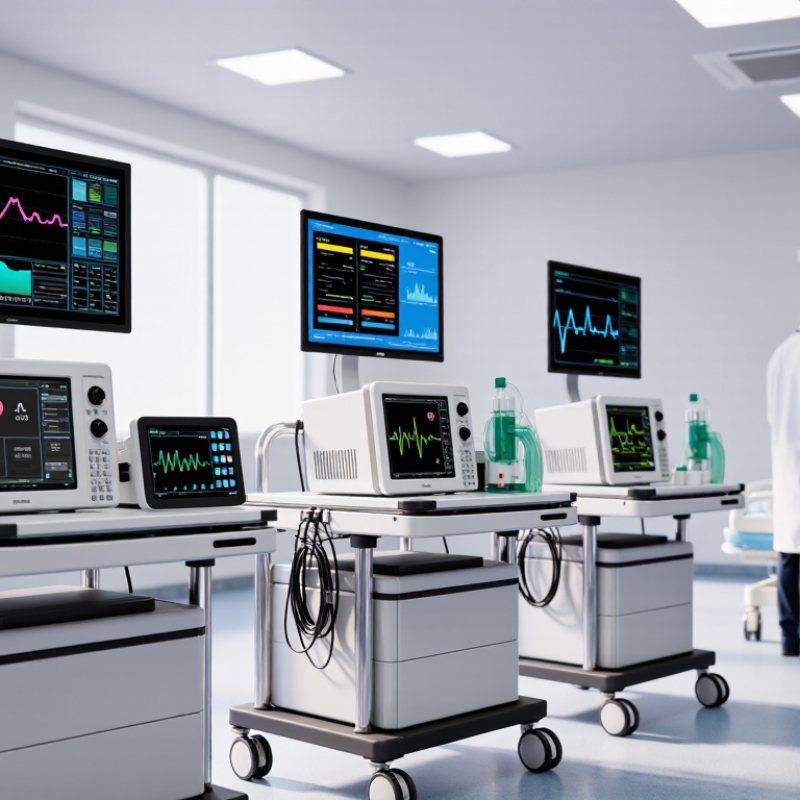
China Top 10 Vital Signs Monitor Manufacturers

What Vital Signs Monitors Measure and Where They Are Used

A vital signs monitor displays key measurements that help clinicians assess a person’s condition over time. Depending on its configuration, it may track heart rate, blood pressure, oxygen saturation, breathing rate, and temperature. Some models also show an electrocardiogram waveform, giving staff a closer view of heart rhythm.

Each reading answers a different question. Together, they can reveal changes that deserve attention.

These monitors are used in hospital wards, emergency departments, operating rooms, clinics, and some home-care settings. In a ward, a cuff may inflate at scheduled intervals while a sensor clips onto a patient’s finger.

Small details matter. Cold hands, movement, or a poorly fitted sensor can affect oxygen readings. A blood pressure cuff that is too small may also produce misleading results. Staff should consider symptoms, measurement conditions, and trends rather than relying on one number.

A tidy display can still mislead. The device supports clinical judgment; it does not make a diagnosis on its own.

Even experienced teams need to check whether a surprising reading reflects a real change or a measurement problem.

Overview of China’s Vital Signs Monitor Manufacturing Industry

China’s vital signs monitor industry sits within a broad medical-device manufacturing base, with demand shaped by hospitals, community clinics, and home-care services. The National Bureau of Statistics reported that China had 296.97 million people aged 60 or above at the end of 2023, equal to 21.1% of its population. This demographic shift increases the need for dependable measurements of blood pressure, oxygen saturation, temperature, and pulse. The figure signals a need, not a guaranteed sales forecast.

Manufacturing combines sensor sourcing, circuit-board assembly, software integration, calibration, and final testing. A monitor may look compact, yet stable readings depend on details such as cuff fit, probe placement, and performance across different patient conditions. Grand View Research’s patient-monitoring market analysis covers a wider product category, so its market estimates should not be treated as sales figures for vital signs monitors alone. Clear product definitions matter.

China’s manufacturers serve domestic buyers and overseas markets, but capabilities can vary across factories and product lines. Buyers should check measurement accuracy, usability, traceable quality records, and after-sales support—not just unit price. This is where comparisons can get messy. Publicly available data rarely separates vital signs monitors from broader monitoring equipment, making the sector harder to measure precisely. Industry figures need careful reading.

How to Evaluate and Rank Chinese Monitor Manufacturers

Ranking Chinese vital signs monitor manufacturers requires more than comparing catalog prices. Start with the intended setting: bedside monitoring, transport, or routine checks. Then assess measurement range, display readability, alarm settings, and compatibility with common sensors. Ask for test reports and clear product specifications. Numbers need context. A low price means little if replacement parts are difficult to source.

Check how each manufacturer verifies performance across operating conditions. Review quality-control records, calibration procedures, and the consistency of sample units. Ask technical staff to demonstrate setup and alarm behavior using realistic scenarios. Confirm training, warranty terms, repair timelines, and spare-part availability in writing. Where possible, inspect production processes or arrange independent testing. Documentation can look complete while leaving practical questions unanswered. A perfect scorecard is unlikely; weighting still involves judgment.

Tips: Use the same checklist for every supplier. Request recent evidence, not only sales claims. Compare several units, and note unanswered questions. Keep criteria such as accuracy, service support, and delivery reliability separate. Revisit your ranking when new test results arrive.

Profiles of 10 Leading Vital Signs Monitor Manufacturers in China

Profiles of ten leading vital signs monitor manufacturers in China are most useful when they explain what each company builds and supports. One may focus on bedside monitoring, with clear waveforms and alarms for busy wards. Another may prioritize portable units, where a sturdy handle and readable screen matter during patient transfer. A neonatal-focused profile should address small cuffs and gentle sensor placement. Another may emphasize quick spot checks in clinics. Wearable monitoring, modular intensive-care systems, and compact multiparameter devices offer further distinctions.

Other profiles may highlight integration with hospital networks, configurable measurement options, or production services for medical-device partners. The tenth may stand out through training, repair access, and dependable replacement sensors. These are practical capability areas, not a ranking. Still, a polished screen proves little. Buyers should check measurement ranges, alarm behavior, usability, and supporting technical documents. Ask how devices perform across patient types, and whether staff can clean and operate them consistently. A brief live demonstration helps. So does reviewing service response times. Specifications can look similar on paper, while daily workflows differ. That gap deserves attention.

China Top 10 Vital Signs Monitor Manufacturers - Profiles of 10 Leading Vital Signs Monitor Manufacturers in China

This manufacturer-neutral comparison covers product and compliance factors relevant to the Chinese vital signs monitor market. Company-specific identities, rankings, market shares, and capabilities are not provided; features and specifications vary by model and should be confirmed in the product documentation.

Profile Area Product Focus Common Measurement Functions Typical Use Settings Details to Verify
1. Multi-parameter bedside monitoring Patient monitors designed to display several physiological measurements on one device. Common options include ECG, pulse oximetry (SpO₂), non-invasive blood pressure (NIBP), and temperature; available parameters depend on the model. Hospitals and other clinical care environments. Supported parameter modules, alarm functions, display configuration, and compatibility with approved accessories.
2. Spot-check vital signs monitoring Portable devices intended for intermittent measurements rather than continuous bedside surveillance. Often configured for NIBP, SpO₂, and temperature; some models offer additional measurements. Ward rounds, outpatient departments, and clinical assessment areas. Measurement modes, record storage, connectivity, and the intended patient population.
3. Portable monitoring Compact monitors designed to be moved between locations or used during patient transport. Available functions vary; ECG, SpO₂, and NIBP are common options in portable patient monitors. Patient transfer and clinical areas where mobility is needed. Battery specifications, operating time, weight, transport suitability, and alarm audibility.
4. Neonatal and pediatric configurations Monitor configurations intended for use with neonatal or pediatric patients. May include ECG, SpO₂, NIBP, and temperature, subject to the device configuration. Neonatal, pediatric, and general hospital care areas when specified for that use. Patient-category settings, compatible cuff and sensor sizes, and applicable instructions for use.
5. ECG monitoring capability Monitoring configurations that acquire and display electrocardiographic signals. ECG waveform and heart-rate display; lead options and analysis features are model-dependent. Clinical monitoring where ECG observation is required. Supported lead configuration, electrode compatibility, signal display, and stated intended use.
6. Pulse oximetry capability Configurations that estimate oxygen saturation and pulse rate using a compatible sensor. SpO₂ and pulse rate; additional indices, if any, depend on the device and sensor. Clinical settings where non-invasive oxygen-saturation monitoring is indicated. Compatible sensors, stated operating conditions, and performance information in the instructions for use.
7. Non-invasive blood pressure capability Configurations that measure blood pressure using an inflatable cuff. NIBP readings commonly include systolic, diastolic, and mean pressure values. Intermittent clinical blood-pressure assessment and patient monitoring. Cuff sizes, patient categories, measurement modes, and stated measurement limitations.
8. Temperature measurement Monitor configurations with a compatible temperature probe or temperature-measurement module. Temperature display; supported probe types and measurement sites vary by product. Clinical assessment and monitoring where temperature measurement is required. Probe compatibility, measurement site, units, and cleaning or reuse instructions.
9. Data and connectivity options Models that may store readings or support data transfer to other systems. Data functions are separate from physiological measurement and vary by model. Facilities that need to review, document, or transfer patient measurements. Supported interfaces, network requirements, data formats, cybersecurity documentation, and system compatibility.
10. Quality and regulatory documentation Documentation relevant to the specific device, manufacturer, and target market. Not a measurement function; it concerns device conformity, quality management, and authorized intended use. Procurement, registration, installation, and ongoing device management. Check the exact model’s applicable Chinese registration or filing details, labeling, certificates, and current regulatory status with authoritative records.

Comparing Product Features, Certifications, and Market Reach

China’s leading ten vital signs monitor manufacturers differ less by headline specifications than by practical design. Compare measurement range, signal stability, screen readability, alarm controls, battery life, and data export. A bedside monitor with clear trend graphs may suit a busy ward; a compact unit with dependable battery performance may fit mobile clinics better. Check whether accessories are readily available and whether staff can clean the housing between patients. Small details matter.

Certification claims also need careful reading. ISO 13485 concerns quality management systems, while IEC 60601 standards address medical electrical safety and performance; neither alone proves a device suits every clinical workflow. Confirm the exact model, certificate scope, and destination-market registration. A tidy ranking can still mislead. The WHO and World Bank’s 2023 Universal Health Coverage monitoring report estimated that 4.5 billion people were not fully covered by essential health services in 2021. That figure makes affordability and service access relevant, but it does not measure monitor demand directly. Compare manufacturers’ regional distribution, language options, repair support, and connectivity under local network conditions. Reach is not just shipment volume. It is whether a monitor can be maintained after installation. Some comparisons remain imperfect, especially when public data use different product categories.

China Top 10 Vital Signs Monitor Manufacturers — Comparing Product Features, Certifications, and Market Reach

A standards-based comparison framework for evaluating vital signs monitor product coverage and regulatory readiness.

How to read this chart: Bars count selected references in each category; they are not scores, rankings, or measures of manufacturer market share.

References shown: IEC 60601-1 and IEC 60601-1-2 (general safety and electromagnetic compatibility); IEC 60601-2-27 (ECG monitoring); ISO 80601-2-30 (automated non-invasive blood-pressure monitors); ISO 80601-2-61 (pulse oximeters); ISO 80601-2-56 (clinical thermometers); ISO 80601-2-49 (multifunction patient monitors); ISO 13485 (quality management systems); China NMPA and EU MDR (market regulatory frameworks). Applicability depends on the device and intended market. This chart does not provide company-level rankings or market-reach data.

FAQS

What measurements can a vital signs monitor display?

Depending on its setup, it can show heart rate, blood pressure, oxygen saturation, breathing rate, and temperature. Some models also display an electrocardiogram waveform.

Where are these monitors commonly used?

They are used in hospital wards, emergency departments, operating rooms, clinics, and some home-care settings. A ward setup might include a finger sensor and an inflating cuff.

Can one monitor reading confirm a patient’s condition?

No. The monitor supports clinical judgment but does not diagnose a condition by itself. Staff should consider symptoms and changes over time.

What can make an oxygen reading unreliable?

Cold hands, movement, or a poorly fitted finger sensor can affect the result. A neat display does not guarantee an accurate reading.

Can a blood pressure cuff affect the result?

Yes. A cuff that is too small may produce misleading measurements. The fit matters.

Which features are useful when comparing monitors?

Consider signal stability, screen readability, alarm controls, battery life, measurement range, and data export. Clear trend graphs may help in a busy ward.

What should buyers check about certifications?

Confirm the exact model, certificate scope, and destination-market registration. ISO 13485 concerns quality management; IEC 60601 standards address medical electrical safety and performance. Neither proves a device fits every workflow.

What does market reach mean beyond shipment volume?

It includes regional distribution, language options, repair support, and connectivity under local network conditions. A monitor also needs service after installation.

How should broad health-service statistics be interpreted?

A 2023 report estimated that 4.5 billion people lacked full coverage of essential health services in 2021. That figure highlights access concerns, but does not directly measure monitor demand. Comparisons can be imperfect.

Conclusion

Vital Signs Monitors measure key indicators such as blood pressure, pulse rate, body temperature, respiratory rate, and blood oxygen saturation. Used in hospitals, clinics, emergency care, and other healthcare settings, these devices help medical professionals observe a patient’s condition and support timely clinical decisions. China’s manufacturing industry offers a broad range of monitor types, from basic spot-check units to more advanced systems designed for continuous observation.

This article outlines practical ways to assess Chinese manufacturers, including product performance, quality controls, certifications, production capabilities, and international market reach. It also profiles ten leading manufacturers without relying on brand promotion, then compares their products and areas of specialization. By considering these factors together, buyers can better understand the market and identify suppliers whose capabilities, compliance documentation, and product features suit their intended healthcare applications.

Henry

Henry

Henry is a dedicated marketing professional with extensive expertise in promoting our company’s range of innovative products. With a deep understanding of our core business, which focuses on delivering exceptional solutions tailored to meet the unique needs of our clients, Henry plays a pivotal......