Ambulatory Blood Pressure Monitoring (ABPM) has gained significant traction in the medical community. According to the American Heart Association, nearly 50% of adults in the U.S. are affected by hypertension, yet many remain undiagnosed. Traditional blood pressure measurements often fail to capture variations throughout the day. ABPM offers a more accurate portrayal of a patient's blood pressure profile.
Data from recent studies suggest that ABPM can identify "white coat hypertension" in about 20% of patients. This condition occurs when individuals exhibit high blood pressure in clinical settings but not in their daily lives. By utilizing ABPM, healthcare providers can make more informed decisions about treatment. This method allows for continuous monitoring, providing insight into blood pressure fluctuations that occur during activities and sleep.
Despite its advantages, some challenges persist in the adoption of ABPM. Cost may deter some practices from implementing this technology. Additionally, patients may find the cuff uncomfortable or cumbersome. As the medical field progresses, the importance of Ambulatory Blood Pressure Monitoring in managing hypertension cannot be overstated. Enhanced understanding and better patient education could bridge these gaps, ensuring more effective care.
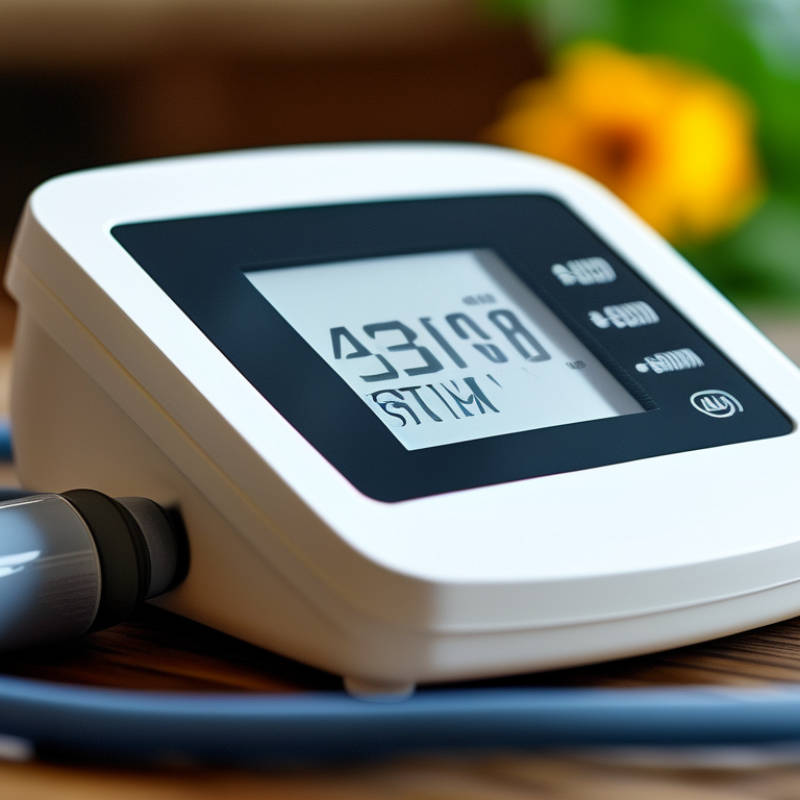
Importance of Accurate Blood Pressure Measurements in Healthcare
Accurate blood pressure measurements are crucial in healthcare. They inform treatment decisions and impact patient outcomes. Ambulatory blood pressure monitoring (ABPM) provides a more reliable way to track fluctuations. Traditional office measurements can be affected by stress and anxiety, leading to temporary spikes.
ABPM captures data over 24 hours. This method reflects daily patterns, offering insight into nocturnal hypertension or white-coat syndrome. It enhances diagnosis accuracy and helps identify patients at risk for cardiovascular diseases. The continuous data collection often reveals trends that isolated readings cannot show.
However, ABPM is not without its challenges. Some patients may find the device uncomfortable or intrusive. Compliance can vary, and not all patients wear it consistently. These factors can affect the accuracy of the measurements. Understanding these limitations is essential for healthcare professionals to interpret results effectively.
Top Benefits of Ambulatory Blood Pressure Monitoring for Health
| Benefit |
Description |
Impact on Healthcare |
| Accurate Readings |
Continuous monitoring provides more accurate blood pressure readings. |
Facilitates better diagnosis and treatment planning. |
| Patient Engagement |
Patients are more involved in their health management. |
Leads to improved adherence to treatment protocols. |
| Better Control |
Allows for timely adjustments to medications. |
Enhances overall blood pressure control in patients. |
| Reduced White Coat Effect |
Eliminates anxiety-related spikes in blood pressure. |
Provides a more realistic view of patient blood pressure outside the clinic. |
| Comprehensive Monitoring |
Captures variations in blood pressure throughout daily activities. |
Enables personalized treatment approaches based on real life patterns. |
Advantages of Ambulatory Monitoring Over Traditional Methods
Ambulatory Blood Pressure Monitoring (ABPM) offers significant advantages compared to traditional methods. One key benefit is the ability to collect blood pressure readings over 24 hours. This continuous tracking provides a more comprehensive view of a patient's blood pressure patterns. It captures fluctuations during daily activities and sleep, unlike a single reading during a doctor's visit.
Moreover, ABPM reduces the white-coat effect. Patients often experience anxiety in clinical settings, leading to artificially high readings. By monitoring blood pressure in everyday situations, healthcare professionals can obtain more accurate data. This reliability is crucial for diagnosing conditions like hypertension, where treatment decisions depend on precise measurements.
However, it’s essential to note that ABPM isn’t without challenges. Some patients may find wearing the monitor uncomfortable or inconvenient. There could also be instances of equipment malfunction, leading to incomplete data. Despite these potential drawbacks, the detailed insights provided by ABPM often outweigh such concerns. Careful evaluation of its use in individual cases is crucial for the best outcomes.
Impact on Hypertension Management and Patient Outcomes
Ambulatory blood pressure monitoring (ABPM) plays a crucial role in managing hypertension. It provides continuous blood pressure readings over 24 hours, offering a comprehensive view of a patient's condition. Unlike traditional readings, ABPM captures blood pressure fluctuations during various activities. This detail helps healthcare providers understand a patient's true blood pressure patterns.
Patients benefit greatly from ABPM. They receive tailored treatment based on accurate data rather than isolated measurements taken in a clinical setting. For some, initial readings may indicate hypertension, but ABPM may reveal normal patterns during daily life. This can prevent unnecessary medication and intervention. However, not every patient may be receptive to wearing monitors. Some find the device uncomfortable. This discomfort can influence their compliance and overall outcomes.
Moreover, ABPM allows for a more personalized approach to hypertension management. By recognizing trends and variations, clinicians can make informed decisions. Adjustments to therapy become more precise. Yet, results can vary based on individual lifestyles and stressors. Factors like sleep patterns and emotional stress should also be considered. Regular monitoring, combined with lifestyle changes, can yield positive results, but it requires commitment and education from patients.
Top Benefits of Ambulatory Blood Pressure Monitoring for Health
Ambulatory Blood Pressure Monitoring (ABPM) has shown significant improvements in hypertension management and patient outcomes. The following chart illustrates the reduction in average blood pressure levels among patients using ABPM compared to traditional monitoring methods over a 6-month period.
Role in Identifying White Coat Hypertension
Ambulatory blood pressure monitoring (ABPM) plays a crucial role in identifying white coat hypertension. This condition occurs when a patient's blood pressure is higher in a clinical setting than in daily life. Research indicates that about 15-30% of individuals diagnosed with hypertension may actually be experiencing white coat syndrome. This discrepancy can lead to misdiagnosis and subsequent overtreatment.
Using ABPM allows for continuous blood pressure measurement over 24 hours. This more accurate assessment can identify patients who exhibit normal readings outside of the clinic. A study published in the Journal of Hypertension found that ABPM reduces the likelihood of misclassification by approximately 30%. By effectively distinguishing white coat hypertension from true hypertension, healthcare providers can tailor their treatment plans more appropriately.
However, relying solely on clinical readings can be misleading. Many patients may feel anxious in medical environments, resulting in artificially elevated readings. The advent of ABPM technology not only enhances diagnostic accuracy but also helps alleviate unnecessary stress for patients. This shift towards personalized care underscores the importance of understanding each individual's blood pressure patterns in their daily life.
Benefits of Continuous Data Collection for Personalized Treatment Plans
Ambulatory blood pressure monitoring (ABPM) is revolutionizing patient care. Continuous data collection allows healthcare providers to craft personalized treatment plans. A recent study found that 70% of patients experience fluctuations in blood pressure throughout the day. This variability often goes unnoticed in traditional office readings.
With ABPM, providers capture daily blood pressure patterns. For instance, a patient may show high readings in the morning but normal values in the afternoon. These insights lead to tailored interventions. According to the American Heart Association, personalized treatment can reduce cardiovascular events by 30%. However, relying solely on standard clinic measurements may overlook essential data, affecting treatment efficacy.
Data accuracy is crucial in managing hypertension. ABPM enhances monitoring reliability, as it records data over 24 hours. Yet, challenges remain. Not all patients may adhere to wearing the device consistently. Moreover, interpreting data requires expertise. Thus, while ABPM is a game-changer, it necessitates a commitment from both patients and clinicians to maximize its benefits.
FAQS
mbulatory Blood Pressure Monitoring (ABPM)?
It offers more accurate readings by monitoring blood pressure during daily activities, not just in a clinic.
It's when patients have elevated blood pressure readings due to anxiety in clinical environments.
Yes, some patients find the device uncomfortable, which may affect their willingness to wear it.
It helps tailor treatment plans based on true blood pressure patterns, avoiding unnecessary medication.
Equipment malfunctions can occur, leading to incomplete data, and some patients may dislike the monitor.
Individual stressors and sleep patterns play a role and can influence blood pressure readings significantly.
It reveals fluctuations and trends that might be missed with single, traditional readings during doctor visits.
Yes, by showing normal blood pressure patterns, it can help avoid unnecessary treatment and anxiety.
Patient education and commitment are key for achieving positive outcomes through regular monitoring.
Conclusion
Ambulatory Blood Pressure Monitoring (ABPM) has become an essential tool in modern healthcare, providing accurate blood pressure measurements crucial for diagnosing and managing hypertension. Unlike traditional methods that can yield misleading results due to various factors, ABPM offers continuous monitoring, allowing healthcare providers to assess blood pressure changes throughout the day and night. This enhanced accuracy not only aids in the effective management of hypertension but also improves patient outcomes.
Furthermore, ABPM plays a significant role in identifying white coat hypertension, a condition where patients exhibit elevated blood pressure readings in clinical settings but not in their everyday lives. By gathering continuous data, ABPM enables the development of personalized treatment plans tailored to individual patient needs. As a result, this innovative approach to blood pressure monitoring is transforming how hypertension is managed, ultimately leading to better health for patients.